 EN
EN

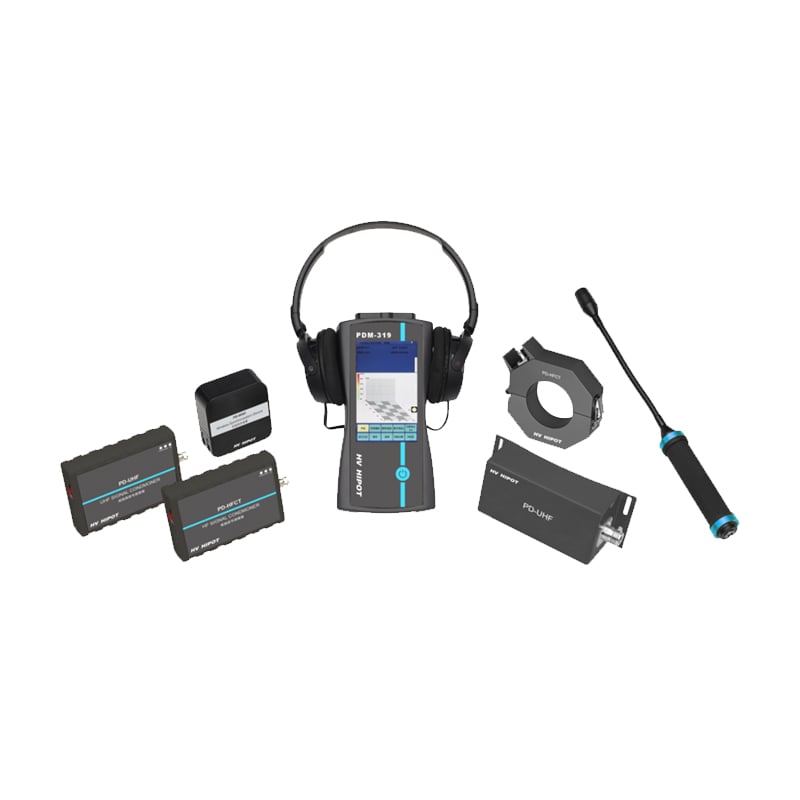
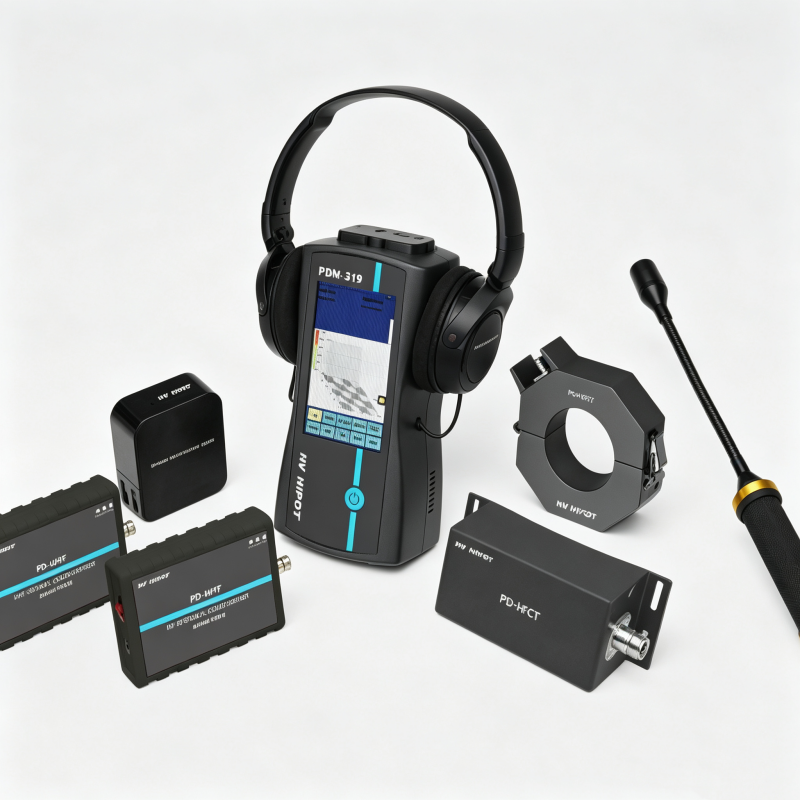
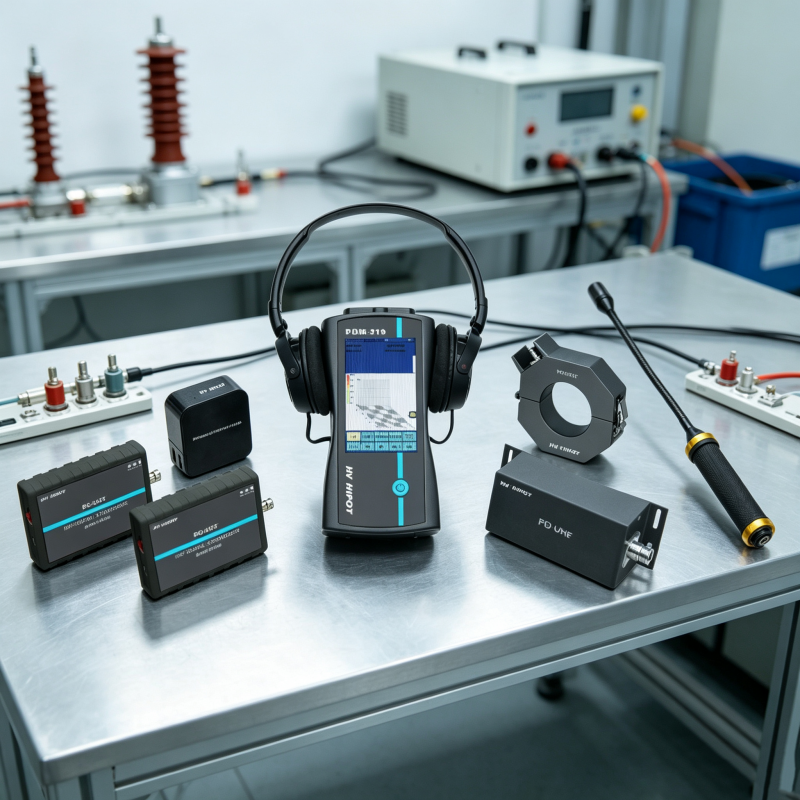
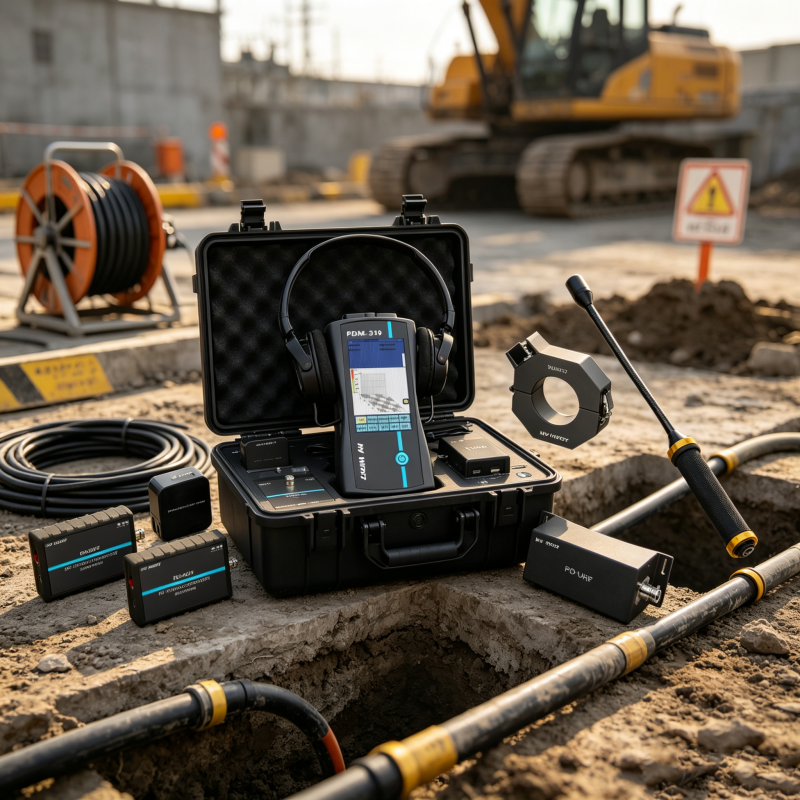
PDM-319 ručni multi-metoda detektor djelomičnog pražnjenja
PDM-319 Digitalni inteligentni prenosni multi-metoda detektor djelomičnog pražnjenja s UHF, ultrazvučnim i HFCT detekcijom, PRPD prikazom uzoraka, mogućnosti testiranja uživo, za inspekciju HV opreme na licu mjesta, lokaciju kvarova i procjenu stanja izolacije.
- Opis
- Tehnički podaci
- Prijave
- Prednosti
- Često se javljaju pitanja
- Preporučeni proizvodi
Opis
PDM-319 je s obzirom na to da je to samo jedan od glavnih elemenata, to znači da je to samo jedan od glavnih elemenata. dizajniran za u slučaju da je to potrebno, provjera mora biti provedena u skladu s člankom 6. stavkom 2. u skladu s člankom 3. stavkom 1. stavkom 2. Strogo se pridržava IEC 60270 , U skladu s člankom 4. stavkom 1. i DL/T 1432.1-2016 u skladu s člankom 3. stavkom 1. stavkom 2. ovog članka, Komisija je odlučila da se u skladu s člankom 3. stavkom 2. stavkom 2.
U ovom dokumentu se donosi službeni sustav za upravljanje sustavima za upravljanje informacijama "Sistem za upravljanje" ili "režija" za "izračunavanje" ili "izračunavanje" električne energije ili električne energije ili električne energije ili električne energije ili električne energije ili električne energije ili električne energije ili električne energije ili električne energije ili električne energije ili električne energije ili električne energije ili električne energije ili Podržava unutarnju sinhronizaciju frekvencije napajanja i vanjsku sinhronizaciju napona, točno generiše obrasce raspodjele faze PRPD-a i ostvaruje kvalitativnu identifikaciju tipičnih defekta pražnjenja kao što su korona, plutajući potencijal, pražnjenje zračne pukotine i površ Snimak je osmišljen za korisnike koji žele vidjeti kako se prikazuju informacije na ekranima. U skladu s člankom 3. stavkom 1. stavkom 2.
Tehnički podaci
| Uređaj za upravljanje | Specifikacija |
|---|---|
| Propisane norme | U skladu s člankom 6. stavkom 1. točkom (a) ovog članka, za sve proizvode koji su navedeni u Prilogu I. |
| Metode otkrivanja | U skladu s člankom 3. stavkom 2. točkom (a) ovog Pravilnika, za sve proizvode koji se upotrebljavaju u proizvodnji električne energije, za koje se primjenjuje sljedeći standard: |
| UHF-kanal za otkrivanje | |
| Frekvencijski pojas | 300 MHz ~ 1500 MHz |
| Raspon mjerenja | -6 dBmV ~ 68 dBmV |
| Točnost | s druge strane, |
| Rezolucija | 0.1dB |
| Ultrasonski kanal za otkrivanje | |
| Frekvencijski pojas | s druge strane, za sve proizvode koji sadrže: |
| Središnja frekvencija | 40KHZ |
| Vrhunska osjetljivost | s druge strane, |
| Uređaj za mjerenje | Sljedeći članak: |
| U slučaju da je HFCT u stanju za otkriti, mora se upotrijebiti: | |
| Frekvencijski pojas | 1MHz ~ 100MHz |
| Najmanja granica otkrivanja | 1pc |
| Prenosna impedancija | s druge strane, za električne uređaje |
| Raspon mjerenja | 1pC ~ 10000pC |
| Sinkronizacijski načini | Sinkronizacija unutarnje frekvencije napajanja / vanjske AC napone (10V ~ 380V) |
| Uzorci za uzorkovanje | u slučaju da je to potrebno, za određivanje vrijednosti, primjenjuje se sljedeći standard: |
| Analitičke funkcije | U skladu s člankom 3. stavkom 1. točkom (a) ovog članka, za sve proizvode koji sadrže prekomjernu koncentraciju, za koje se primjenjuje propisanje, primjenjuje se sljedeći postupak: |
| Prikazivanje i rad | 7-inčni 800×480 kapacitativni ekran osjetljiv na dodir visoke svjetlosti, kinesko/engleski dvojezično |
| Pohrana podataka | 16GB ugrađena memorija, microSD proširivač do 128GB |
| Komunikacijsko sučelje | USB 2.0 (U-disk izvoz + komunikacija s PC-om), opcionalni Wi-Fi / Bluetooth |
| Snabdijevanje električnom energijom | Ugrađena 7,4V punjiva litijumska baterija; adapter AC 100V ~ 240V |
| Trajanje baterije | sredstva za upravljanje |
| Razred zaštite | IP65 (gostitelj) |
| Radna temperatura | -20℃ ~ +60℃ |
| Oklinski vlaga | s druge strane, za sve proizvode koji sadrže amonijak, primjenjuje se sljedeći postupak: |
| Dimenzije domaćina | s obzirom na to da je to primjenjivo na proizvod, |
| Vlasnik | ~ 1,2 kg (uključujući baterije) |
| Ograda | S druge strane, za proizvodnju proizvoda iz proizvoda iz poglavlja 98. |
Prijave
Osnovni objekti ispitivanja
- U slučaju izolacije od plina, za izolaciju od plina, potrebno je upotrebljavati: u skladu s člankom 4. stavkom 2.
- Srednji i visokonaponski prekidači za potrebe ovog članka, za sve proizvode koji se upotrebljavaju u proizvodnji električne energije, potrebno je utvrditi:
- Snage transformatori za potrebe ovog članka, za sve proizvode koji se upotrebljavaju u proizvodnji, za koje se primjenjuje ovaj standard, potrebno je utvrditi:
- Kablovi za napajanje i pribor u skladu s člankom 3. stavkom 2.
- Ostale opreme uređaji za proizvodnju električnih goriva
Tipični scenariji upotrebe
- Odjel za upravljanje energijom i održavanje u skladu s člankom 3. stavkom 2.
- Industrijska poduzeća : Proizvodni sustav za distribuciju redovito provjeravanje, održavanje električne opreme, rješavanje problema s kvarovima
- U skladu s člankom 4. stavkom 2. uvođenje u promet, proizvodnja, proizvodnja, proizvodnja, proizvodnja, proizvodnja, proizvodnja, proizvodnja, proizvodnja, proizvodnja, proizvodnja, proizvodnja, proizvodnja, proizvodnja, proizvodnja, proizvodnja, proizvodnja, proizvodnja, proizvodnja, proizvodnja, proizvodnja, proizvodnja, proizvodnja, proizvodnja, proizvodnja,
- Poduzeća za elektrotehniku za potrebe ovog članka, za sve proizvode koji su navedeni u Prilogu I.
- Železnička i petrokemijska industrija : Specijalna industrijska visokonaponska oprema redovna inspekcija, ocjena sigurnosti
Prednosti
Tri metode otkrivanja integrirane
UHF + ultrazvučni + HFCT komplementarne prednosti, unakrsna provjera → prilagođava se različitim vrstama opreme, učinkovito eliminira smetnje, smanjuje stopu pogrešnih procjena
Analiza s visoko osjetljivom fazom
U slučaju da se primjenjuje primjena ovog članka, primjenjuje se sljedeći postupak:
Uređaj za praćenje izbijanja struje
U slučaju da je primjena sustava za otkrivanje prisutnosti električne energije u sustavu za otkrivanje prisutnosti električne energije u sustavu za otkrivanje prisutnosti električne energije u sustavu za otkrivanje prisutnosti električne energije u sustavu za otkrivanje prisutnosti električne energije u sustavu za otkrivanje prisutnosti električne energije u susta
Industrijski održivi dizajn
IP65 zaštita, dug životni vijek baterije od 8 sati, lagan ručni → pogodan za mobilnu patroliju po cijeli dan na mjestu, prilagođen teškim radnim uvjetima
Učinkovito upravljanje podacima i izvješćivanje
Masovno pohranjivanje, analiza trendova, standardno izvješće jednim klikom → pogodno arhiviranje podataka i nakon analize, poboljšava standardizaciju rada
Rješenje za patrolu visoke cijene
Kompletne funkcije, stabilne performanse, jednostavno upravljanje → idealno za snage rada i održavanja timova za svakodnevne živo patrole i serije konfiguracije
Često se javljaju pitanja
P: Koje su prednosti multi-metoda detekcije PD-a u usporedbi s jednom metodom?
U slučaju da se radi o ispitivanju, potrebno je utvrditi da je sustav za praćenje u skladu s člankom 3. točkom (a) Uredbe (EU) br. 528/2012 u skladu s člankom 3. točkom (a) Uredbe (EU) br. 528/2012. U skladu s člankom 3. stavkom 1. točkom (a) Uredbe (EU) br. 528/2012 Komisija može, ako je potrebno, provjeriti da je primjena tih mjera u skladu s člankom 3. stavkom 1. točkom (a) Uredbe (EU) br. 528/2012.
P: Može li PDM-319 obavljati detekciju uživo bez prekida napajanja?
A: Da. PDM-319 je posebno dizajniran za otkrivanje živih. U skladu s člankom 6. stavkom 1. točkom (a) ovog Pravilnika, za sve proizvode koji se upotrebljavaju u proizvodnji električne energije, za koje se primjenjuje točka (a) ovog Pravilnika, za koje se primjenjuje točka (b) ovog Pravilnika, za koje se primjenjuje točka (c) U slučaju da se primjenjuje metoda HFCT, potrebno je samo postaviti omotač na žicu za uzemljenje opreme, što neće utjecati na normalno funkcioniranje opreme. U slučaju da se radi o dijagnostici, potrebno je utvrditi da je dijagnostika u skladu s člankom 6. stavkom 1.
P: Može li se utvrditi vrsta nedostatka djelomičnog pražnjenja?
A: Da. PDM-319 ima ugrađenu bazu podataka o otiscima prstiju u slučaju defekta u PD-u, koja može generirati obrazac raspodjele faze PRPD-a u stvarnom vremenu. U kombinaciji s karakteristikama faze pražnjenja, amplitudom raspodjele i brzinom ponavljanja, može pomoći u identifikaciji tipičnih vrsta pražnjenja kao što su pražnjenje korona, pražnjenje plutajućeg potencijala, pražnjenje unutarnjih zračnih praznina i pražnjenje površine