When working with high voltage (HV) power cables, finding and fixing faults quickly is very important. If a cable breaks or has an issue, it can cause power outages and problems for many people. To fix these cables, special tools are needed. Two main tools are Time Domain Reflectometers (TDR) and Arc Fault Locators. These tools help locate problems in buried cables, making repairs faster and more efficient. Our company, HV HIPOT, provides these essential tools to help technicians get the job done right. Understanding how to use these tools and when to choose them can make a big difference in repairing HV Test Equipment.
What You Need to Know for Efficient Repairs
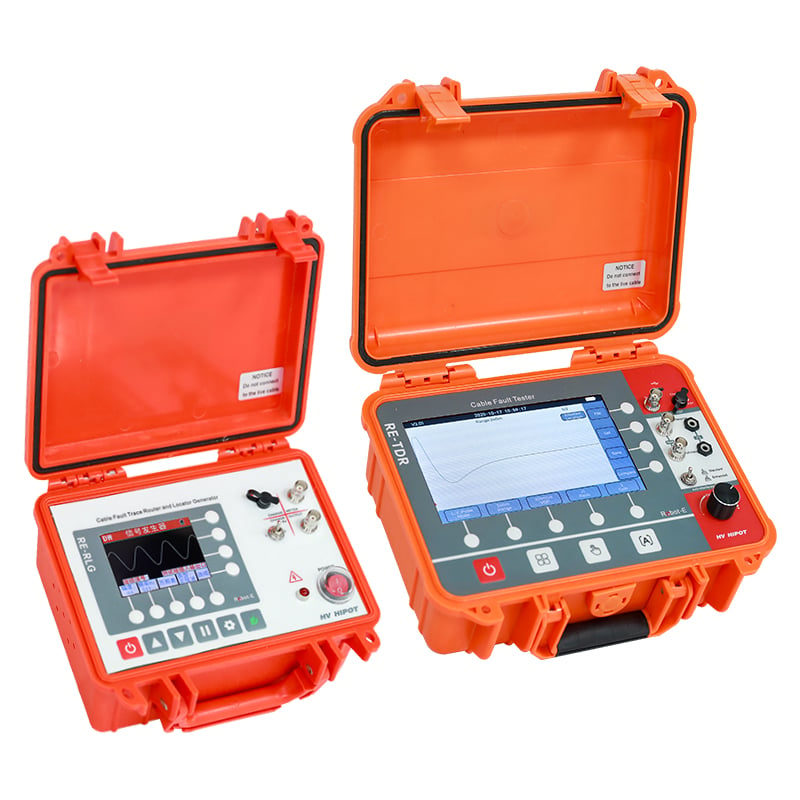
When you need to repair buried HV power cables, knowing how to locate faults is crucial. First, it’s important to understand how TDR works. This device sends an electrical pulse down the cable. When the pulse hits a fault, it reflects back. By measuring the time AC Resonant Test System takes for the reflection to return, you can tell how far away the fault is. This helps technicians avoid digging up large areas, saving time and effort. For example, if a cable is buried three feet deep, the TDR can tell you exactly where to dig.
Next, Arc Fault Locators are used to find faults that cause electrical arcs. Arcing can be dangerous, creating sparks and heat. This tool detects these dangerous arcs and pinpoints their location. It’s very helpful in places where there are multiple cables or complex setups. For instance, if a cable is near others or in a tight space, an Arc Fault Locator can quickly identify the faulty cable without much hassle.
Using both tools together can make repairs much smoother. Technicians can start with the TDR to find the general area of a fault. Then, they can use the Arc Fault Locator for a more detailed search. This combination means less digging and quicker fixes. Additionally, keeping these tools in good working order is important. Regular maintenance ensures they work when needed.
How to Choose the Best TDR and Arc Fault Locator for Buried HV Power Cables
When selecting the right TDR and Arc Fault Locator, it’s important to think about a few key factors. First, consider the specific needs of your work. Different jobs may require different capabilities. For example, some TDRs can measure longer distances than others. If you are working with long cables, a TDR with a greater range will be helpful. Look for models that can handle the depths at which your cables are buried.
Next, think about ease of use. Some devices have complicated settings that can confuse users. A good TDR or Arc Fault Locator should be user-friendly, with clear instructions. This helps technicians focus on repairs rather than struggling with the equipment. HV HIPOT offers tools designed for easy operation, which can save time on the job.
Durability is another factor. The tools should withstand tough conditions, especially if they are used outdoors. Look for devices that are water-resistant or have rugged cases. This ensures they last longer, even in harsh environments. For instance, if a tool is used in rainy weather, Lightning Impulse Generator should still function properly.
Lastly, customer support is important. When problems arise, having access to reliable assistance can make a big difference. HV HIPOT provides excellent customer service, ensuring that users can get help quickly if needed. Taking the time to choose the right equipment will lead to better repairs and less downtime, making your work more efficient and effective.
When we talk about finding problems in buried high-voltage power cables, two important tools are Time Domain Reflectometers (TDR) and Arc Fault Locators.
These tools help repair teams quickly find where a cable has broken or has a fault. One of the main tools, the TDR, has some great advantages. First, TDR technology is very good at finding faults without having to dig up the entire cable. It sends a signal down the cable and waits for the signal to bounce back. If there’s a problem, the signal will reflect differently, and the TDR can show where the fault is located. This saves a lot of time and money because workers do not have to guess where to dig. TDRs are also easy to use. Most people can learn how to operate them in a short amount of time. At HV HIPOT, we make sure our TDR equipment is user-friendly, so even those who are new to cable repairs can use it effectively. Another advantage is precision. TDR technology can give exact measurements, which means workers can find the problem faster and fix it quickly. This is very important, especially in places where power is needed, like hospitals or schools. Lastly, TDRs can be used on different types of cables, making them very flexible tools for various situations. This means that no matter what kind of cable you are working with, a TDR can help find the problem effectively.
The second tool, the Arc Fault Locator, also plays a big role in speeding up cable repairs. This tool is used to find faults that cause arcs, which are dangerous sparks that can happen when there’s a break in the cable. Arc Fault Locators help workers detect these arcs quickly, allowing them to take immediate action. When an arc occurs, it can create a lot of heat and may cause fires, so finding and fixing these problems fast is very important. The Arc Fault Locator can quickly tell the repair team where the arc is happening, which saves time and reduces risks. With this tool, workers can locate the problem area without wasting time or effort. At HV HIPOT, we understand how crucial it is to act quickly in these situations, which is why our Arc Fault Locators are designed to be fast and accurate. By using both TDR and Arc Fault Locators together, repair teams can work more efficiently. They can identify the exact location of faults and arcs, allowing them to make repairs with minimal disruption. This means that power can be restored quickly, which is great for the community and helps keep everyone safe.
To make the most of TDR and Arc Fault Locator equipment in wholesale applications, it’s important to have a good plan.
First, having the right training for the staff is crucial. Workers should be well-trained on how to use these tools effectively. At HV HIPOT, we offer training sessions to help teams understand the best practices for using TDRs and Arc Fault Locators. This means that when a problem occurs, they can respond quickly and correctly. Second, having a good maintenance schedule for the equipment is important. Just like any machine, TDRs and Arc Fault Locators need regular checks to ensure they work well. If the equipment is not maintained, it may not work properly when needed. Third, using both TDRs and Arc Fault Locators together can improve efficiency. By combining these tools, teams can find faults and arcs quickly and accurately. This helps shorten repair times and gets power back to customers faster. Lastly, keeping good records of previous repairs can help future work. Knowing where past problems have occurred can guide teams in their current work. By using TDR and Arc Fault Locator equipment effectively, teams can not only make repairs faster but also keep the power flowing smoothly for everyone.
 EN

 Hot News