 EN
EN

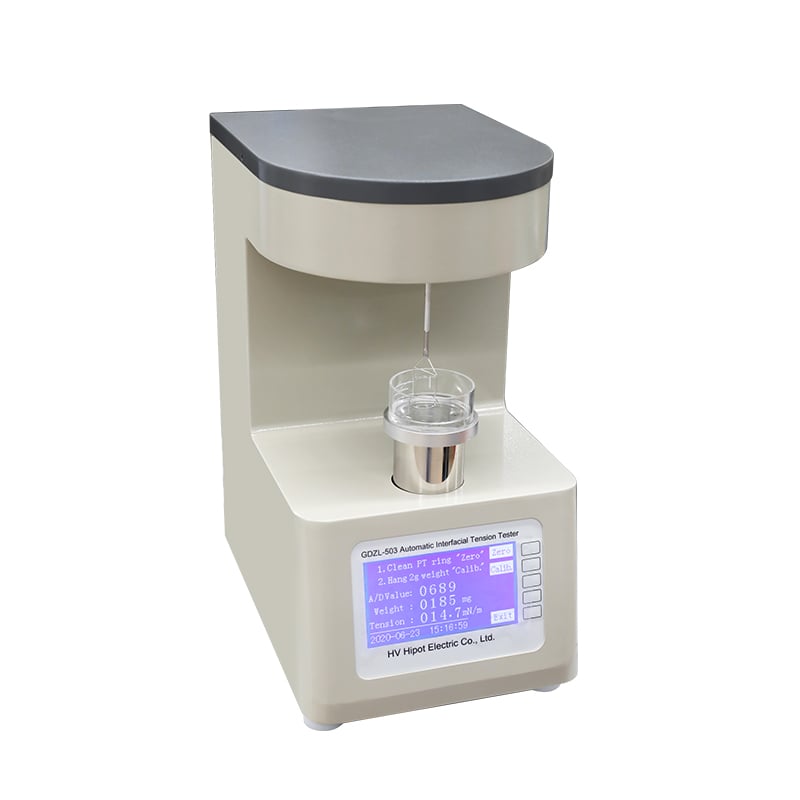
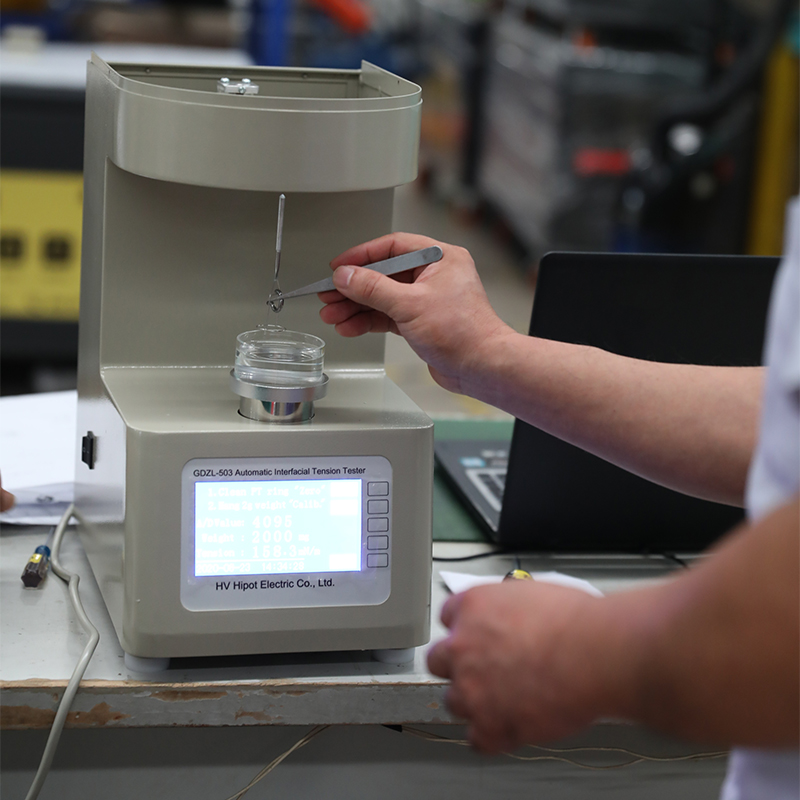
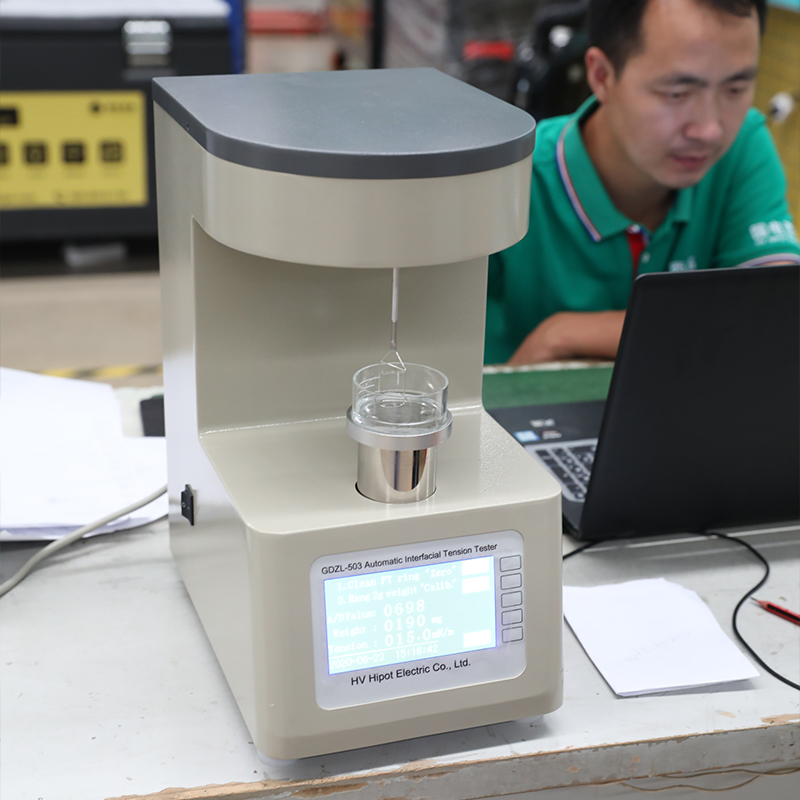
GDZL-503 Tam Otomatik Yüzey ve Ara Yüz Gerilimi Test Cihazı
GDZL-503 Dijital Akıllı Tam Otomatik Yüzey ve Ara Yüz Gerilimi Test Cihazı, Platin Halka Teknolojisi, Elektromanyetik Denge Sensörü ve Otomatik Sıcaklık Kompanzasyonu ile Petrol Ürünlerinin Gerilim Ölçümü.
- AÇIKLAMA
- Teknik Özellikler
- Uygulamalar
- Avantajlar
- SSS
- Önerilen Ürünler
AÇIKLAMA
The GDZL-503 bir profesyonel sınıf, yüksek hassasiyetli tam otomatik yüzey ve ara yüz gerilimi test cihazı güç sistemleri ve petrokimya endüstrisinde izolasyon yağlarının, yağlayıcı yağların, yakıt yağlarının ve diğer petrol ürünlerinin yaşlanma derecesinin değerlendirilmesi amacıyla özel olarak tasarlanmıştır tamamen uyumludur GB/T 6541-1986 ,ASTM D971-2023 ve ISO 1409:2004 standartlarına uygun olarak, uluslararası düzeyde kabul görmüş platin halka yöntemi kullanılarak doğru ve güvenilir ölçüm sonuçları sağlanmaktadır.
Cihaz, yenilikçi bir yüksek hassasiyetli elektromanyetik denge sensörü kararlı ve doğru kuvvet ölçümünü sağlayan, tek noktada kalibrasyon ile tam ölçüm aralığındaki doğruluğu garanti eden bir sistemdir. Bunun ARM mikro işlemci kontrol sistemi tam otomatik çalışmayı mümkün kılar; platformun kaldırılması, kuvvetin tespiti, sonuçların hesaplanması ve raporun yazdırılması dahil olmak üzere tüm test sürecini elle müdahale olmadan tamamlar. Dahili sıcaklık sensörü, ortam sıcaklığını algılayarak test sonuçlarını otomatik olarak düzeltir ve manuel düzeltme ihtiyacını ortadan kaldırır.
Teknik Özellikler
| Parametre | Teknik özellik |
|---|---|
| Sistem parametreleri | |
| Uyum standardı | GB/T 6541-1986, ASTM D971-2023, ISO 1409:2004, DL/T 429.12-2016 |
| Test Prensibi | Platin halka yöntemi (du Noüy halka yöntemi) |
| Sensör Tipi | Yüksek hassasiyetli elektromanyetik denge sensörü |
| Çalışma Modu | Tam otomatik tek tuşla test |
| Görüntüleme | 4,3 inç 480×272 renkli dokunmatik ekran |
| Veri Depolama | 255 grup test sonucu |
| Veri Dışa Aktarma | USB 2.0, RS232 |
| Yazıcı | Yüksek hızlı termal yazıcı, 58 mm kağıt genişliği |
| Test parametreleri | |
| Ölçüm Aralığı | 0 ~ 200 mN/m |
| Doğruluk | ±(okumanın %0,1'i + 0,1 mN/m) |
| Çözünürlük | 0,1 mN/m |
| Hassasiyet | 0,1 mN/m |
| Tekrarlanabilirlik | ≤0,3 mN/m |
| Test zamanı | örnek başına yaklaşık 3~5 dakika |
| Numune Tüketimi | her testte yaklaşık 20 mL |
| Sıcaklık Parametreleri | |
| Sıcaklık sensörü | Entegre yüksek hassasiyetli sıcaklık sensörü |
| Sıcaklık telafisi | Otomatik |
| Kalkıtma sistemi | |
| Kaldırma motoru | Yüksek hassasiyetli adım motoru |
| Yükselme hızı | 0,1~10 mm/dak ayarlanabilir |
| Yükseltme Darbesi | 0~50 mm |
| Güç Kaynağı | |
| Giriş Gücü | AC 220 V ± %20, 50 Hz ± %10 |
| Güç Tüketimi | ≤20w |
| Fiziksel parametreler | |
| Boyutlar | 200×300×330 mm (U×G×Y) |
| Ağırlık | ~6 kg (tüm bileşenleri dahil) |
| Kasa | Dayanıklı mühendislik plastiği |
| Koruma derecesi | IP40 |
| Çalışma Sıcaklığı | 10 °C ~ +30 °C |
| Depolama Sıcaklığı | -20°C ~ +60°C |
| Nem | ≤ %85 nem oranı (yoğuşmasız) |
Uygulamalar
Temel Test Nesneleri
- Enerji sektörü yağları trafo yağı, kesici yağı, kondansatör yağı, kablo yağı, türbin yağı
- Petrokimya endüstrisi yağları yağlayıcı yağ, hidrolik yağ, dişli yağı, yakıt yağı, dizel yağı
- Diğer sıvılar : Su, çözücüler, yüzey aktif maddeler, kozmetik ürünler, ilaçlar
Tipik Kullanım Senaryoları
- Enerji şirketleri : Transformatörlerde önleyici bakım, yalıtım yağı düzenli testleri, yaşlanma derecesi değerlendirmesi
- Transformatör üreticileri fabrika kalite kontrolü, tip testleri, satış sonrası hizmetler
- Yağ işleme şirketleri : Yalıtım yağı yenileme kalitesi kontrolü, yağ işleme etkisi değerlendirmesi
- Petrokimya işletmeleri : Ürün kalite kontrolü, ham madde testi, üretim süreci kontrolü
- Bağımsız üçüncü parti test kurumları : Yağ kalitesi testleri, performans değerlendirmesi, kalite anlaşmazlıklarında hakemlik
Avantajlar
En son uluslararası standartlara uyum
GB/T 6541-1986 Çin ulusal standardı, ASTM D971 Amerikan standardı ve ISO 1409 uluslararası standardını tam olarak karşılar → test sonuçları dünya çapında tanınmaktadır
Sektörde Lider Elektromanyetik Denge Sensörü
Yüksek hassasiyet, hızlı tepki, mükemmel doğrusallık, kayma yok → doğru ve güvenilir ölçüm sonuçlarının alınmasını sağlar
Tek Noktalı Kalibrasyon Teknolojisi
Tam aralıkta doğruluk için yalnızca tek bir noktada kalibrasyon gerekir → kalibrasyon işlemini basitleştirir ve zaman kazandırır
Tek Tıkla Tam Otomatik İşlem
Kaldırma, tespit, hesaplama ve yazdırma dahil olmak üzere tüm test adımlarını otomatik olarak tamamlar → operatör beceri gereksinimlerini azaltır ve insan kaynaklı hataları ortadan kaldırır
Otomatik sıcaklık kompanzasyonu
Entegre sıcaklık sensörü, test sonuçlarını otomatik olarak düzeltir → farklı sıcaklık ortamlarında tutarlı sonuçlar elde edilmesini sağlar
Gerilim-Zaman Eğrisi Gerçek Zamanlı Gösterimi
Tüm test sürecini görselleştirir; sonuç analizini ve sorun gidermeyi kolaylaştırır → test güvenilirliğini artırır
SSS
Soru: Gerilim ölçümü için platin halka yönteminin ilkesi nedir?
Cevap: Bu ilke, sıvı yüzeyinden veya arayüzünden yatay olarak asılı duran bir platin halkayı çekmek için gereken maksimum kuvveti ölçmeye dayanır. Halka kaldırıldığında, halka ile sıvı arasında bir sıvı filmi oluşur ve bu film, yüzey gerilimiyle orantılı aşağı yönlü bir kuvvet oluşturur. Cihaz bu maksimum kuvveti ölçer ve gerçek yüzey veya arayüz gerilimi değerini hesaplamak için Harkins-Jordan düzeltme faktörünü uygular. Bu yöntem, sıvı gerilimi ölçümü için uluslararası standarttır.
S: Tipik bir testin tamamlanması ne kadar sürer?
A: Platformun kaldırılması, kuvvet tespiti, hesaplama ve yazdırma dahil olmak üzere tam bir test yaklaşık 3~5 dakika örnek türüne ve gerilim değerine bağlı olarak sürer. 25℃’de test edilen transformatör yağı için test süresi yaklaşık 3 dakikadır.
Soru: Cihaz ne sıklıkla kalibre edilmelidir?
A: Cihaz, normal kullanım koşullarında her 6~12 ayda bir kalibrasyon gerektiren yüksek kararlılıkta bir elektromanyetik denge sensörü kullanır. Kalibrasyon, standart örnek olarak damıtılmış su (yüzey gerilimi = 25°C'de 71.97 mN/m) kullanılarak kolayca gerçekleştirilebilir.
S: Hem yüzey gerilimini hem de ara yüzey gerilimini ölçebilir mi?
A: Evet. GDZL-503, yüzey gerilimini (sıvı-gaz arayüzü) ve ara yüzey gerilimini (sıvı-sıvı arayüzü, örneğin yağ-su arayüzü) ölçebilir. Ara yüzey gerilimi ölçümü için kullanıcı yalnızca iki sıvının yoğunluklarını girmelidir; cihaz doğru gerilim değerini otomatik olarak hesaplar.