 EN
EN

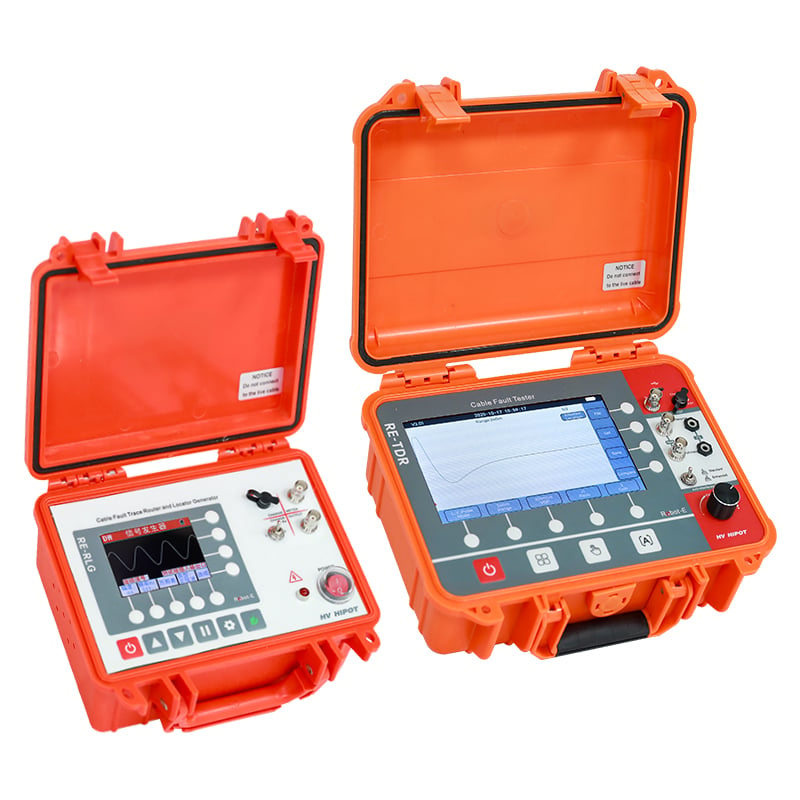
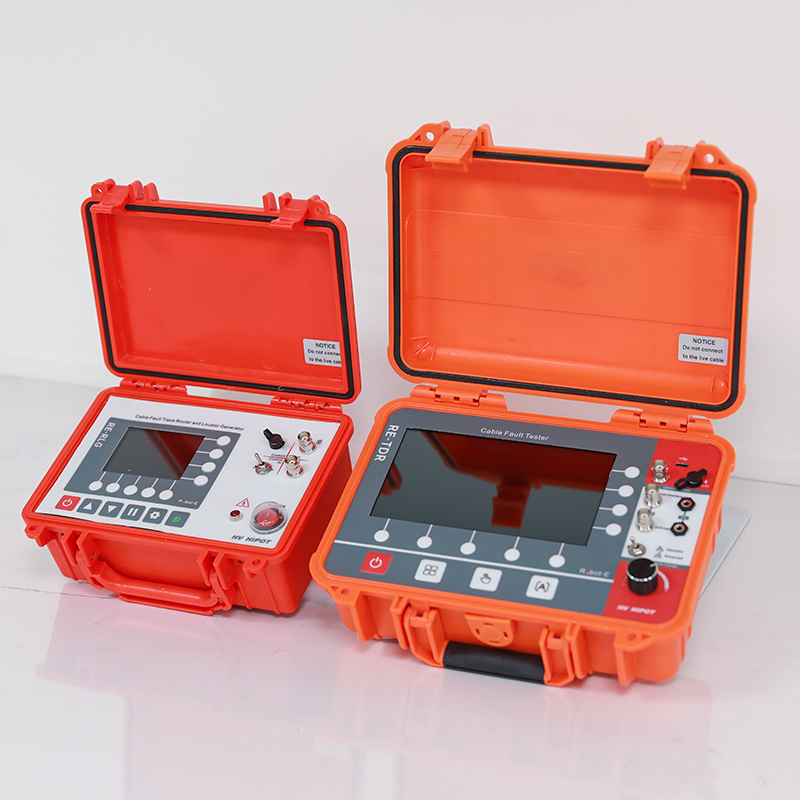
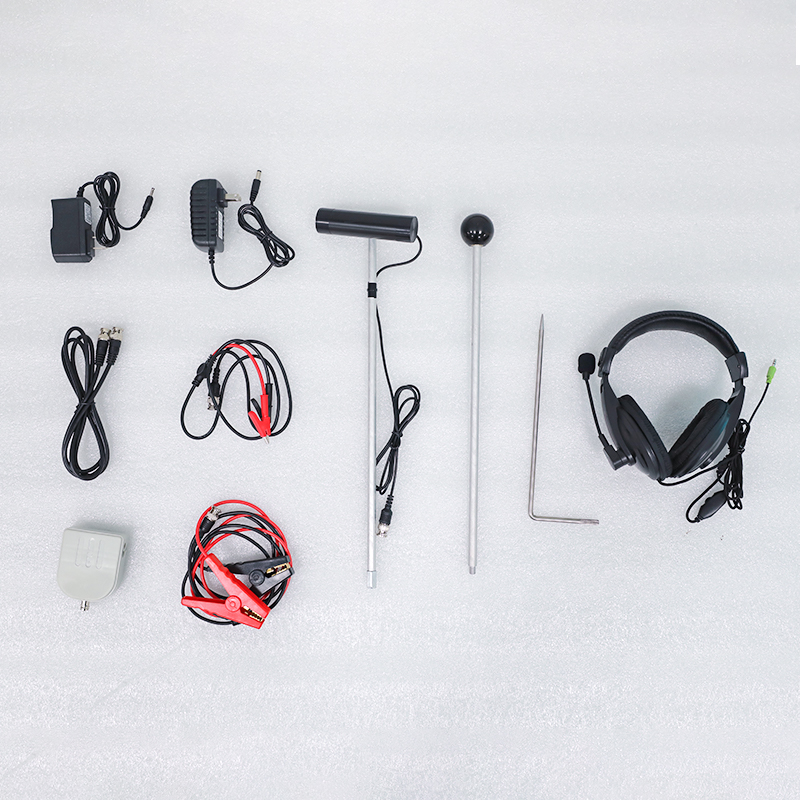
RE-TDR Portable Cable Fault Comprehensive Test System
RE-TDR Digital Intelligent Comprehensive Cable Fault Locating System, Consisting of RE-TDR TDR Receiver Main Unit and RE-RLG High Voltage Surge Transmitter, Supporting Low-Voltage Pulse, Direct Flash & Impulse Flash Methods for Pre-Location of All Types of Power Cable Faults.
- Description
- Specifications
- Applications
- Advantages
- FAQ
- Recommended Products
Description
- The RE-TDR receiver, based on the Time Domain Reflectometry (TDR) principle, acquires the traveling wave waveform of fault discharge. It features a built-in high-speed waveform acquisition module for independent low-voltage pulse ranging. Combined with the RE-RLG, it can perform direct flashover and impulse flashover pulse current methods, addressing high-resistance and flashover faults that conventional TDRs cannot measure.
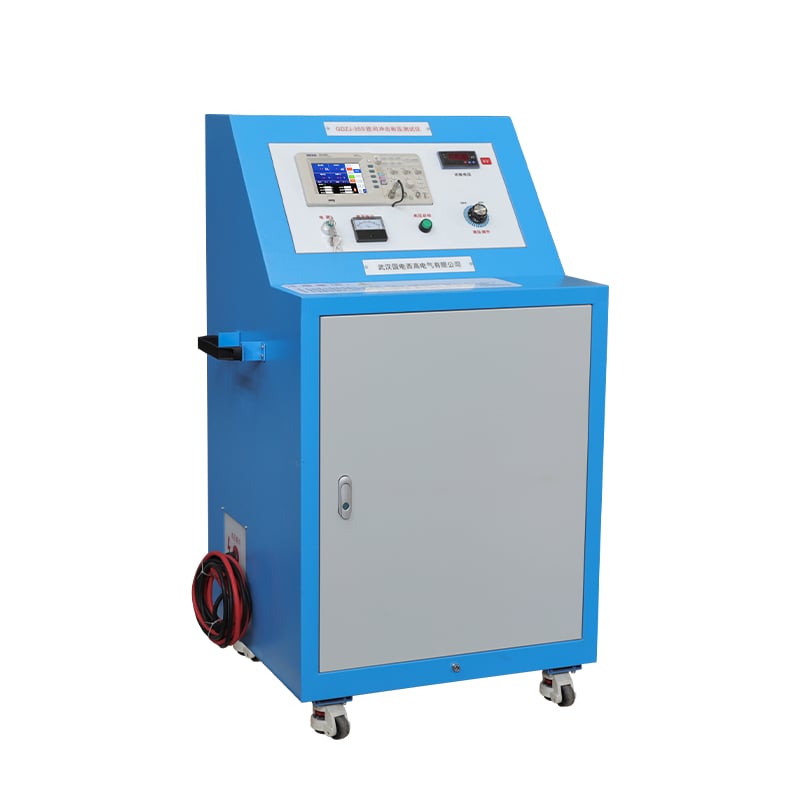
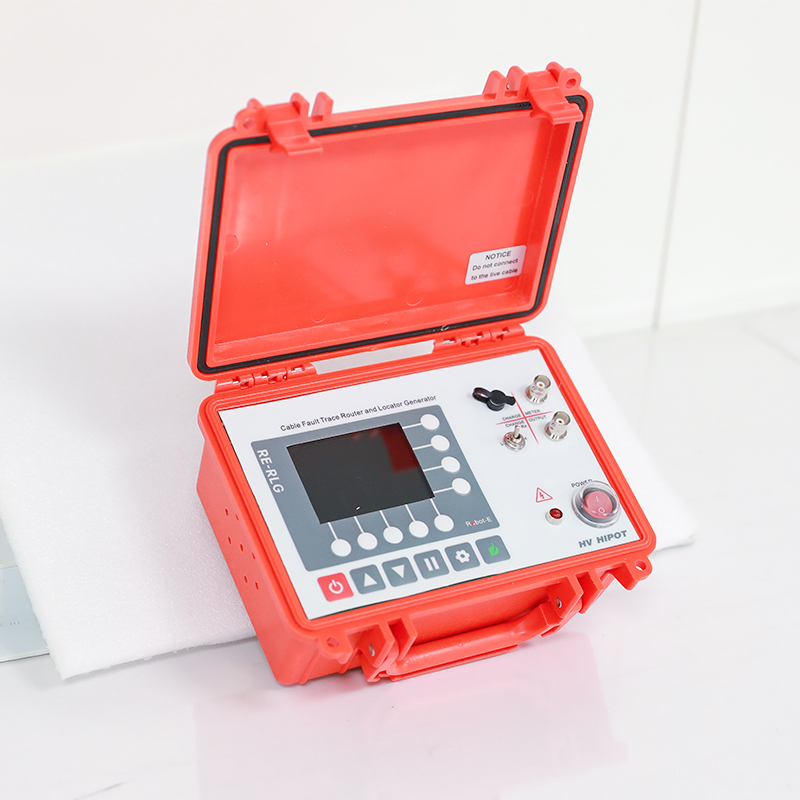
- The RE-RLG high-voltage impulse transmitter outputs a controllable high-voltage impulse, applying energy to the faulty cable to induce flashover breakdown at the high-resistance fault point, generating a traveling wave signal for the RE-TDR to capture and calculate the fault distance.
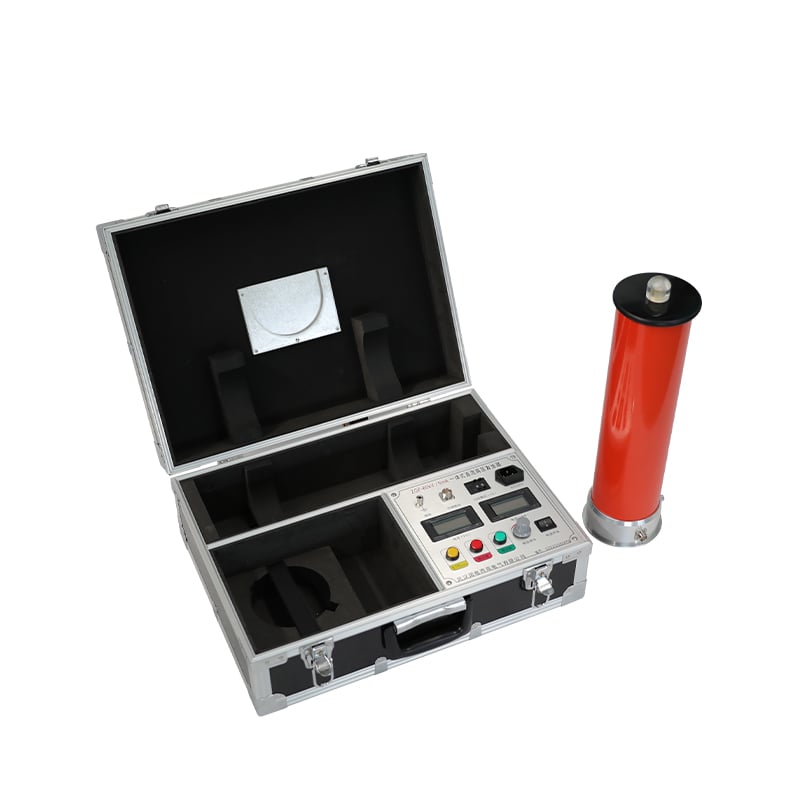
The RE-TDR integrated cable fault testing system comprises two core units: a TDR (Time Domain Reflectometry) receiver and a RE-RLG (High Voltage Impulse Transmitter). It is an integrated pre-positioning solution for emergency repair of underground power cable faults in distribution networks, new energy sources, and industrial and mining enterprises.
The system covers all typical cable faults: open circuit, phase-to-phase/phase-to-ground low-resistance short circuit, high-resistance leakage, and high-resistance flashover faults. It features multiple built-in cable wave velocity presets and supports custom wave velocity; it also has waveform freezing, dual-cursor ranging, waveform storage, and historical comparison functions. Adopting an industrial portable chassis, it can be used with the RE-TRL acoustic-magnetic synchronous positioning instrument to form a complete workflow of coarse ranging + precise ground positioning, widely used for troubleshooting 10kV~35kV XLPE power cables and control cables.
Specifications
| Parameter | Specification |
|---|---|
| System Composition | RE-TDR (TDR Receiver Main Unit) + RE-RLG (HV Surge Transmitter) |
| RE-TDR Receiver | |
| Test Principle | Time Domain Reflectometry (TDR), Traveling Wave Acquisition |
| Test Modes | Low Voltage Pulse / Direct Flash / Impulse Flash |
| Max Measuring Distance | 30km (expandable) |
| Distance Resolution | ≤1m |
| Wave Velocity Range | 150~300m/μs, preset & user definable |
| Display | Color touch LCD, CN/EN bilingual |
| Storage | Waveform storage, USB export |
| Power Supply | Built-in lithium battery, ≥6h continuous operation |
| RE-RLG High Voltage Surge Transmitter | |
| Max Output Voltage | -35kV DC negative polarity adjustable |
| Built-in Storage Capacitor | 4μF standard |
| Discharge Mode | DC continuous output / single impulse / periodic impulse |
| Discharge Cycle | 3~8s adjustable |
| Safety Functions | HV sound-light alarm, auto discharge, overvoltage/overcurrent/short-circuit protection |
| Input Power | AC 220V |
| General Conditions | |
| Operating Temperature | -10℃ ~ +50℃ |
| Ambient Humidity | ≤85% RH (non-condensing) |
| Enclosure | Shockproof portable reinforced chassis with handle |
Applications
Core Test Objects
- 10kV / 35kV XLPE underground power cables, cable joints & terminals
- Distribution network cables, wind & photovoltaic station collection cables
- Factory internal power cables, municipal street lighting cables
- Control cables, signal cables
Fault Types Detectable
- Open-circuit / broken cable faults
- Low-resistance short-circuit & ground faults
- High-resistance insulation leakage faults
- Intermittent flashover breakdown faults
Typical Users & Scenarios
- Power grid operation & maintenance teams: cable fault emergency rush repair
- New energy EPC and power station operation departments
- Industrial & mining enterprises, chemical park power management
- Cable construction companies, third-party testing institutions
- Municipal engineering, rail transit power maintenance
Advantages
All-fault coverage solution
Combine TDR low-voltage pulse + impulse current method, handle low resistance, open circuit and difficult high-resistance flashover faults
Separated receiver & transmitter design
Lightweight split system, convenient for transportation to narrow cable trenches and manholes
Intelligent waveform recognition
Reduce reliance on operator experience, lower misjudgment rate compared with traditional analog instruments
Seamless matching with RE-TRL acoustic-magnetic pinpointer
Form a complete set: pre-location (RE-TDR system) → ground pinpointing (RE-TRL), standardized workflow
Battery-powered off-grid operation
No external AC power required for field emergency maintenance
Mature and cost-effective pre-location equipment
Compatible with most on-site cable fault test workflows of power companies
FAQ
Q: What is the division of labor between RE-TDR and RE-RLG?
A:
- RE-TDR Receiver: Waveform acquisition, fault distance calculation, human-machine interaction. It can independently perform low-voltage pulse test for open/short low-resistance faults.
- RE-RLG Transmitter: High voltage excitation source. Inject impact high voltage to break down high-resistance fault points to generate traveling waves, only required for high-resistance & flashover faults.
Q: Can it measure high-resistance faults that ordinary TDR cannot test?
A: Yes. Ordinary single TDR only supports low-voltage pulse and fails for high-resistance faults. This system uses RE-RLG to trigger flashover at fault point, then RE-TDR captures impulse traveling wave (impulse current method), realizing pre-location of high-resistance leakage and flashover faults.
Q: What is the complete cable fault testing workflow?
- Insulation resistance test to judge fault type
- Use RE-TDR system for pre-location to get approximate fault distance
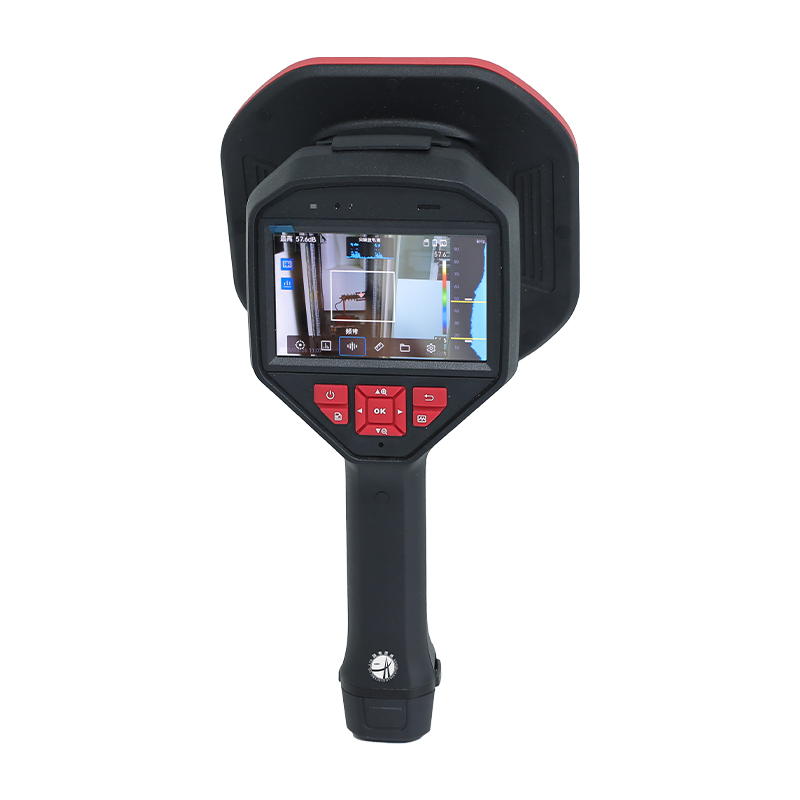
- Carry RE-TRL acoustic-magnetic pinpointer to road surface for precise pinpointing
- Excavate and confirm fault point
Q: Can this system be used alone without a pinpointer?
A: It can complete pre-distance measurement, but cannot find the exact ground position. Pre-location only provides linear distance from cable end; buried cable has bends and trenches, so a pinpointer is necessary for final positioning.