 EN
EN

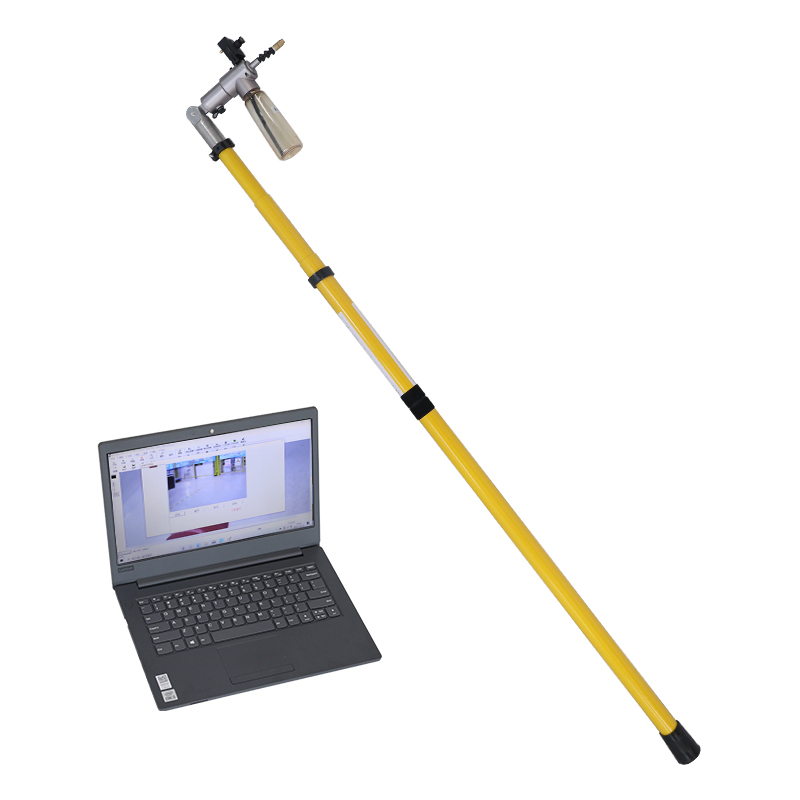
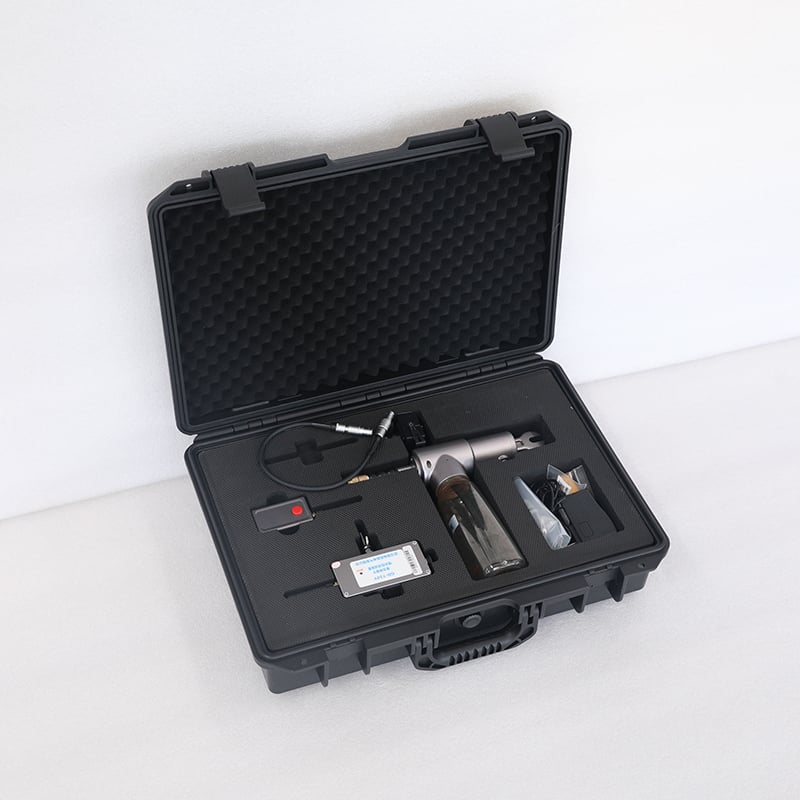
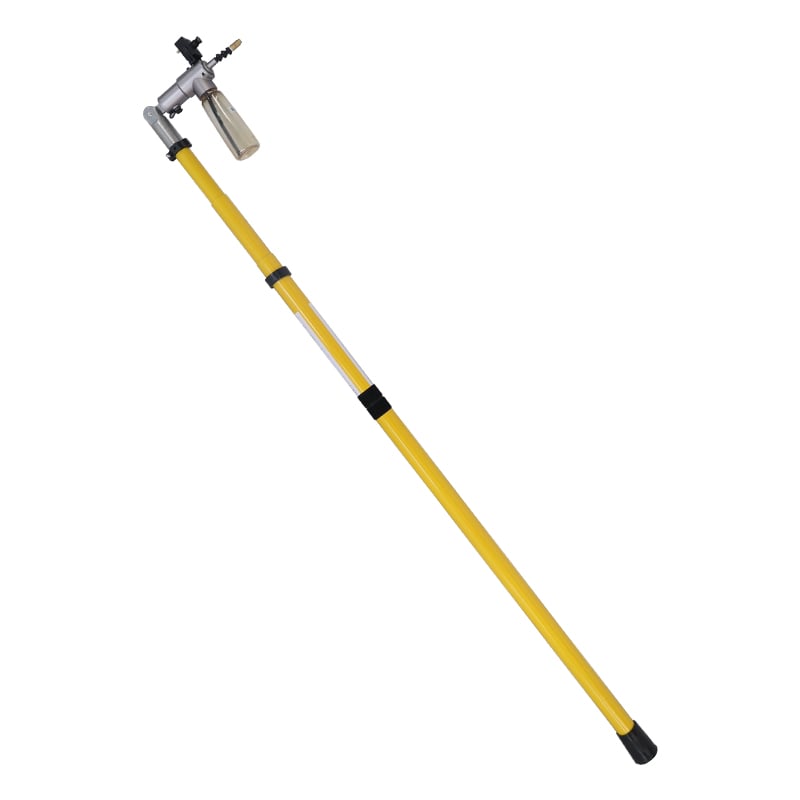
GD-710 Composite Insulator Hydrophobicity Test Set
GD-710 Digital Intelligent Live Line Composite Insulator Hydrophobicity Test Set with IR Remote Spray, Wireless Camera, AI HC Grading Software, for Transmission Line Insulator Aging Evaluation.
- Description
- Specifications
- Applications
- Advantages
- FAQ
- Recommended Products
Description
GD-710 is a professional live line composite insulator hydrophobicity test set designed for on-site hydrophobicity detection and aging evaluation of 110kV~500kV transmission line composite insulators in power companies, transmission line operators and power research institutes. It strictly complies with GB/T 19519-2014, IEC 61109:2008 and DL/T 1048-2016 standards, adopting advanced digital image analysis technology and improved shape factor algorithm that accurately judges the hydrophobicity grade (HC1-HC7) of insulator surfaces.
The instrument features innovative split-type design consisting of an IR remote spray device, a wireless camera, an epoxy resin insulating rod and a PC analysis system, enabling live line test without power outage. The 433MHz IR remote control allows operators to spray water safely from the ground, while the 2.4G WiFi camera transmits real-time images to the PC for analysis. The dedicated hydrophobicity analysis software supports both automatic AI grading and manual subjective grading, providing objective and reliable test results.
Specifications
| Parameter | Specification |
|---|---|
| Compliance Standards | GB/T 19519-2014, IEC 61109:2008, DL/T 1048-2016, IEC 62073:2016 |
| Applicable Voltage Level | 110kV ~ 500kV |
| Test Method | Water spray classification method (HC1-HC7) |
| Grading Algorithm | Improved shape factor method |
| Grading Mode | Automatic AI grading + manual subjective grading |
| Spray Device Parameters | |
| Nozzle Aperture | 0.79mm |
| Flow Rate | 0.6L/min @ 3bar |
| Spray Angle | 30° @ 3bar |
| Single Spray Volume | 0.7mL ~ 1.2mL |
| Total Spray Volume | 25mL (25 sprays, standard) |
| Water Tank Capacity | 240mL |
| Remote Control Frequency | 433MHz |
| Remote Control Distance | ≥20 meters |
| Camera Parameters | |
| Effective Pixels | 720×1280 (1.5 million) |
| Focal Length | 16mm fixed |
| Minimum Illumination | 0.01Lux |
| Image Format | JPEG |
| Transmission Frequency | 2.4G WiFi |
| Transmission Distance | ≥20 meters |
| Power Supply | |
| Spray Device Battery | 12V 2000mAh rechargeable lithium battery |
| Battery Life | ≥2 hours continuous working, ≥100 tests per charge |
| Charging Time | ≤4 hours |
| Insulating Rod Parameters | |
| Material | Epoxy resin glass fiber |
| Length | 3m (extendable to 6m) |
| Voltage Withstand | 500kV |
| PC Software Requirements | Windows 7/8/10/11 |
| Operating Temperature | -10℃ ~ +50℃ |
| Humidity | ≤85% RH (non-condensing) |
| Total Weight | ~6kg (including all components) |
| Enclosure | Rugged aluminum alloy carrying case |
Applications
Core Test Objects
- Composite insulators: 110kV~500kV transmission line suspension and tension composite insulators
- Insulator materials: Silicone rubber umbrella skirt materials, epoxy resin core rods
- Application scenarios: Overhead transmission lines, substations, power plants
Typical Usage Scenarios
- Power companies: Transmission line composite insulator routine patrol inspection and aging assessment
- Transmission line operators: Insulator fault diagnosis and life prediction
- Power research institutes: Composite insulator material performance research and standard formulation
- Insulator manufacturers: Factory quality control and type test of finished insulators
- Third-party testing institutions: Insulator certification testing and safety assessment
Advantages
Compliance with Latest International Standards
Fully meets GB/T 19519-2014, IEC 61109:2008, DL/T 1048-2016 → test results are globally recognized
Industry-Leading Live Line Test Technology
No power outage required, no impact on normal power transmission → reduces test cost by 90% and avoids power outage losses
AI Intelligent HC Grading
Improved shape factor algorithm, dual grading mode → eliminates manual judgment errors and improves test accuracy by 80%
Split-Type Safety Design
Physical isolation between operator and high-voltage part → eliminates electric shock hazards and ensures test safety
Wireless Image Transmission
2.4G WiFi real-time image transmission, no cable connection → simplifies operation and improves test efficiency
FAQ
Q: What is hydrophobicity and why is it important for composite insulators?
A: Hydrophobicity refers to the property of a surface that repels water, causing water to form isolated droplets instead of a continuous film. For composite insulators, good hydrophobicity significantly reduces surface leakage current and improves flashover voltage, which is crucial for preventing pollution flashover accidents. As insulators age, their hydrophobicity decreases, leading to increased risk of flashover. Regular hydrophobicity testing is therefore essential for ensuring the safe operation of transmission lines.
Q: How does the water spray classification method (HC grading) work?
A: The water spray classification method is the international standard method for evaluating insulator hydrophobicity. It involves spraying a standardized amount of water onto the insulator surface and observing the resulting water droplet state. The hydrophobicity is graded from HC1 (best, only isolated round droplets) to HC7 (worst, completely wetted surface) according to the shape and distribution of the droplets. GD-710 uses digital image analysis technology to automatically perform this grading process.
Q: Can GD-710 test insulators without power outage?
A: Yes. GD-710 is specially designed for live line testing. The insulating rod provides sufficient electrical isolation between the operator and the high-voltage insulator. The IR remote control and wireless camera allow all operations to be performed safely from the ground, eliminating the need for power outage or climbing towers.