 EN
EN

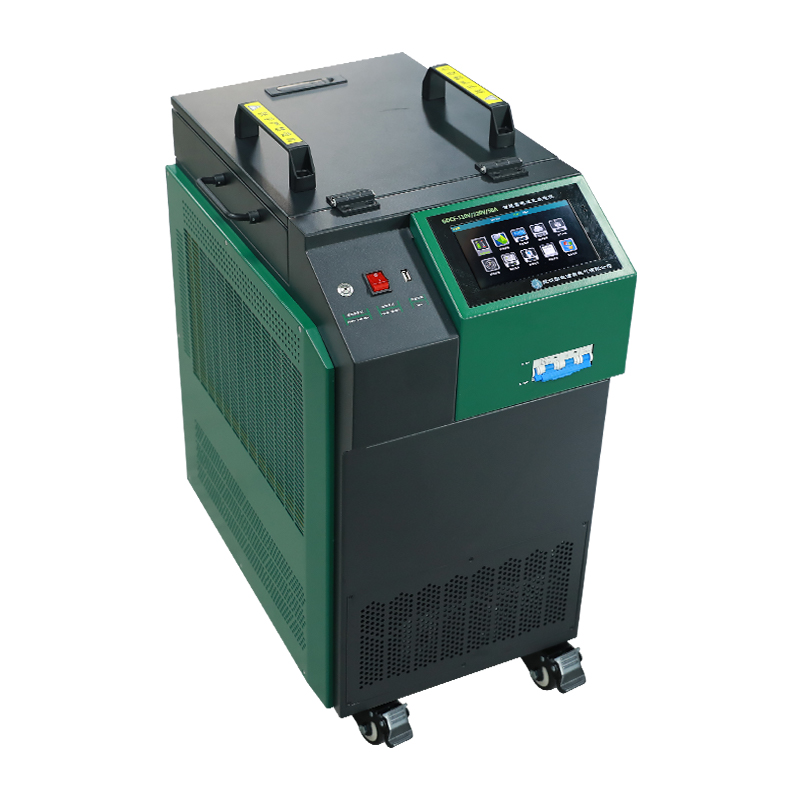
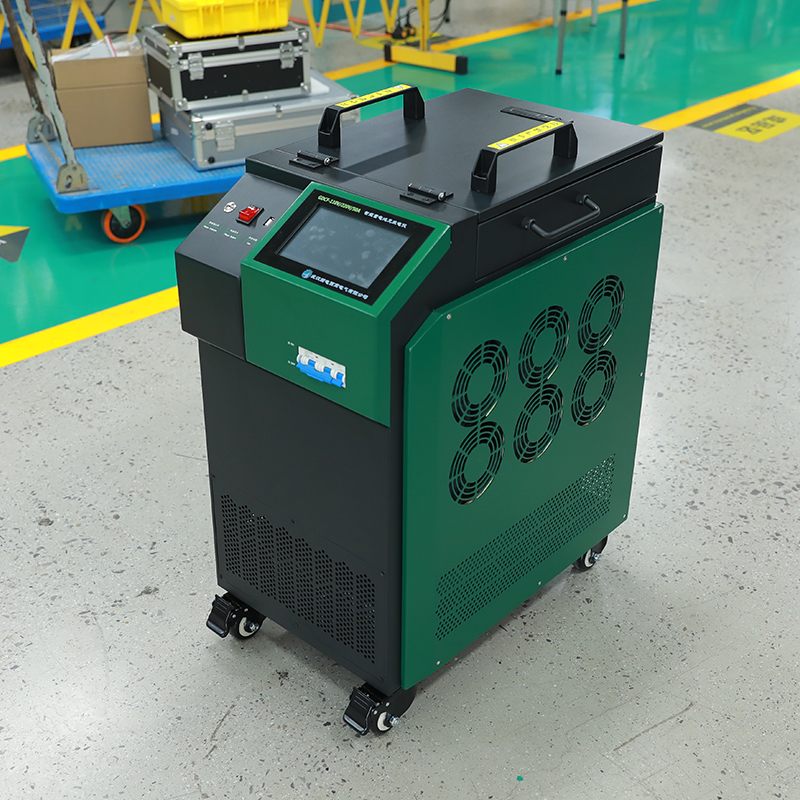
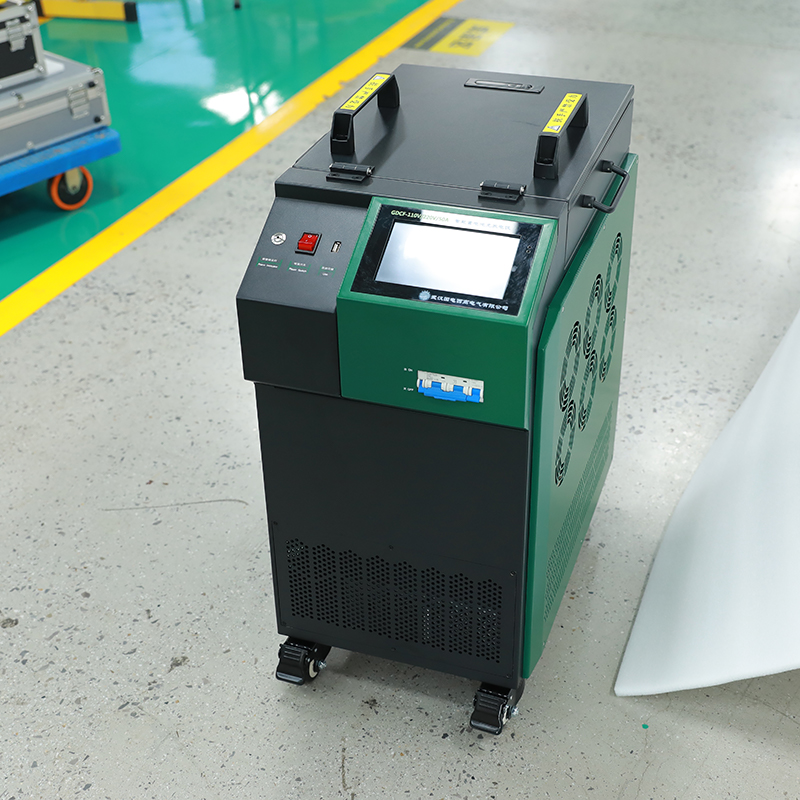
GDCF 110V/220V/50A Intelligent Battery Charge-Discharge Tester
GDCF 110V/220V/50A Digital Intelligent 5-in-1 Battery Charge-Discharge Tester with Dual Voltage Auto-Recognition, Smart 3-Stage Charging, Single Cell Monitoring, for Lead-Acid Battery Pack Capacity Verification and Activation.
- Description
- Specifications
- Applications
- Advantages
- FAQ
- Recommended Products
Description
GDCF 110V/220V/50A is a professional 5-in-1 intelligent battery charge-discharge tester designed for capacity verification, routine maintenance, activation and performance evaluation of lead-acid battery packs in substations, power plants, communication base stations, UPS systems and data centers. It strictly complies with DL/T 724-2000, DL/T 1392-2014 and IEC 60896-2:2008 standards, adopting 110V/220V dual voltage auto-recognition design that covers all mainstream DC power systems with one single instrument.
The instrument integrates constant current discharge, intelligent 3-stage charging, automatic cycle activation, single cell voltage monitoring and online monitoring into one device, replacing multiple traditional test instruments. Its advanced closed-loop constant current control technology ensures stable charge/discharge current with ±1% accuracy throughout the entire process. The PTC ceramic alloy resistor used as discharge load features low temperature coefficient, no red heat phenomenon and long service life.
Specifications
| Parameter | Specification |
|---|---|
| Compliance Standards | DL/T 724-2000, DL/T 1392-2014, IEC 60896-2:2008, IEEE 1188-2005 |
| Voltage Range | 10V ~ 280V DC (auto-recognizes 110V and 220V systems) |
| Charge Current Range | 0A ~ 50A DC continuous adjustable |
| Discharge Current Range | 0A ~ 50A DC continuous adjustable |
| Current Control Accuracy | ±1% FS |
| Voltage Measurement Accuracy | ±0.5% FS + 0.1V |
| Current Measurement Accuracy | ±1% FS + 0.1A |
| Voltage Resolution | 0.1V |
| Current Resolution | 0.1A |
| Single Cell Voltage Range | 0V ~ 3V (for 2V cells) |
| Single Cell Voltage Accuracy | ±0.3% FS + 0.01V |
| Maximum Number of Single Cells | 108 cells |
| Capacity Measurement Range | 0Ah ~ 9999Ah |
| Charging Mode | Smart 3-stage (pre-charge, constant current, constant voltage-float charge) |
| Cycle Activation | Up to 10 charge-discharge cycles |
| Discharge Load Type | PTC ceramic alloy resistor |
| Cooling Method | Intelligent forced air cooling |
| Display | 7-inch 1024×600 color TFT touch screen |
| Data Storage | 128MBit, stores 200 groups of test data + curves + single cell data |
| Communication Interfaces | USB 2.0 (U-disk export), RS485 (remote control) |
| Termination Conditions | Voltage, time, capacity, single cell voltage, manual stop |
| Protection Functions | Over-voltage, under-voltage, over-current, over-temperature, reverse polarity, short circuit, fan fault, emergency stop |
| Power Supply | AC 220V±15%, 50Hz±2Hz |
| Power Consumption | ≤15kW (peak at 280V/50A) |
| Operating Temperature | -10℃ ~ +50℃ |
| Humidity | ≤85% RH (non-condensing) |
| Dimensions (L×W×H) | 550×450×280mm |
| Weight | ~20kg (including all components) |
| Enclosure | Rugged aluminum alloy, IP40 |
Applications
Core Test Objects
- Lead-acid battery packs: 2V, 4V, 6V, 12V series-connected valve-regulated lead-acid (VRLA) batteries
- DC power systems: 110V and 220V substation control power systems, protection power systems
- Backup power systems: UPS systems, EPS systems, data center backup power
- Renewable energy systems: Solar photovoltaic power systems, wind power energy storage systems
Typical Usage Scenarios
- Power companies: Substation battery pack routine maintenance, capacity verification, acceptance test and activation
- Power plants: Generator auxiliary power system battery pack performance test and life assessment
- Telecom operators: Communication base station battery pack maintenance and capacity test
- Data centers: UPS battery pack regular inspection and activation
- Battery manufacturers: Factory quality control, type test and batch inspection
- Third-party testing institutions: Battery system certification testing, safety assessment and on-site calibration services
Advantages
Compliance with Latest Industry Standards
Fully meets DL/T 724-2000, DL/T 1392-2014, IEC 60896-2:2008 → test results are globally recognized
Industry-Leading 5-in-1 Integrated Design
Integrates charge, discharge, activation, monitoring and online test into one device → one instrument replaces 3-5 traditional testers, reduces equipment cost by 70%
110V/220V Dual Voltage Auto-Recognition
Automatically adapts to both 110V and 220V systems → eliminates manual switching errors and improves test efficiency
Smart 3-Stage Charging
Automatically switches charging modes according to battery characteristics → ensures full charging without overcharging, extends battery service life
Automatic Cycle Activation
Supports up to 10 charge-discharge cycles → effectively restores degraded battery capacity and prolongs battery replacement cycle
Real-Time Single Cell Monitoring
Monitors up to 108 single cells with dynamic histogram display → quickly identifies weak cells and ensures battery system safety
High-Precision Constant Current Control
±1% current accuracy, stable charge/discharge throughout the entire process → ensures accurate and reliable battery capacity measurement
Safe & Reliable PTC Ceramic Load
No red heat, no open flame, long service life → eliminates fire hazards during charge-discharge testing
FAQ
Q: What is the advantage of smart 3-stage charging?
A: Smart 3-stage charging is the most scientific charging method for lead-acid batteries:
- Pre-charge: Charges at low current to activate deeply discharged batteries and prevent damage
- Constant current: Charges at maximum safe current to quickly restore battery capacity
- Constant voltage-float charge: Automatically switches to constant voltage charging when battery is almost full, then switches to float charge to maintain full capacity This method ensures full charging without overcharging, significantly extending battery service life.
Q: How does the automatic cycle activation work?
A: Automatic cycle activation is used to restore the capacity of degraded batteries caused by long-term floating charge or sulfation. The instrument automatically performs multiple charge-discharge cycles according to the set parameters, which helps to break down lead sulfate crystals on the battery plates and restore battery capacity. GDCF 110V/220V/50A supports up to 10 cycles, which is sufficient for most degraded batteries.
Q: Is it safe to charge and discharge batteries with this instrument?
A: Yes. The instrument is equipped with an 8-level comprehensive safety protection system that protects both the battery and the instrument from various abnormal conditions. The PTC ceramic alloy load has no red heat phenomenon and no open flame, eliminating fire hazards. The reverse polarity protection prevents damage caused by incorrect battery connection.