 EN
EN

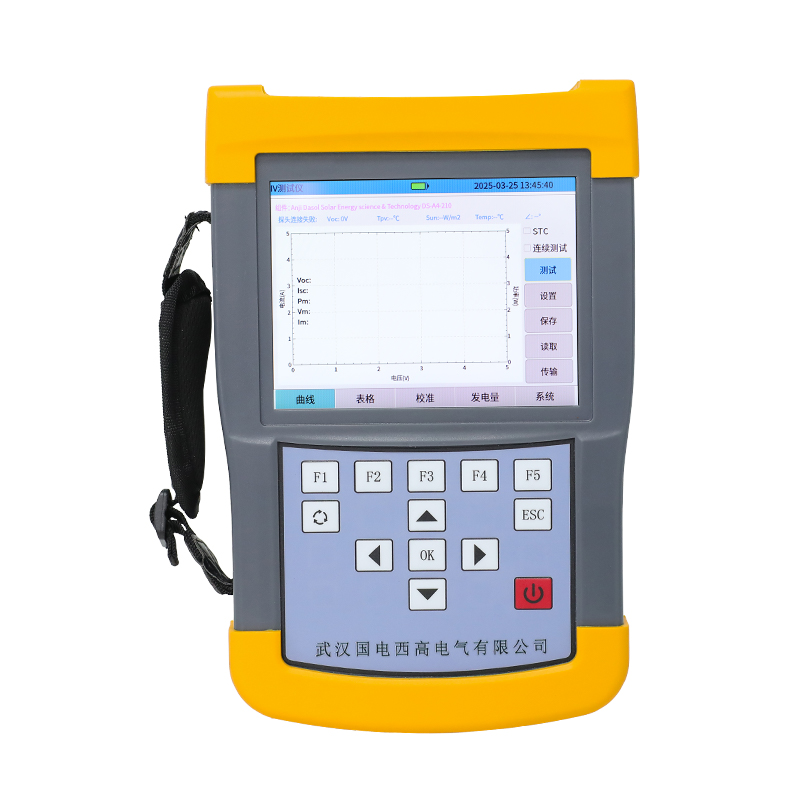
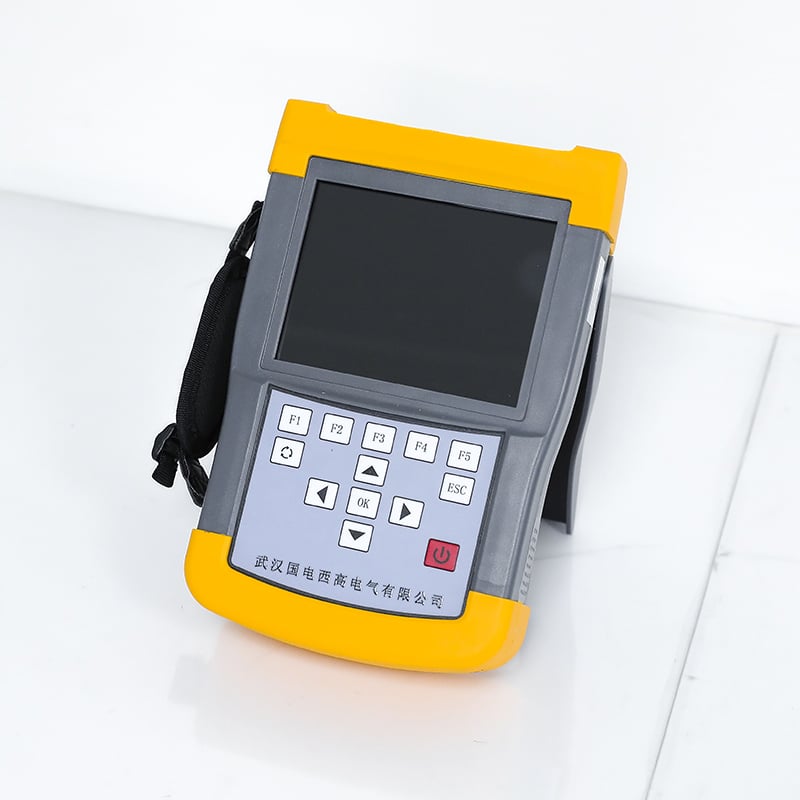
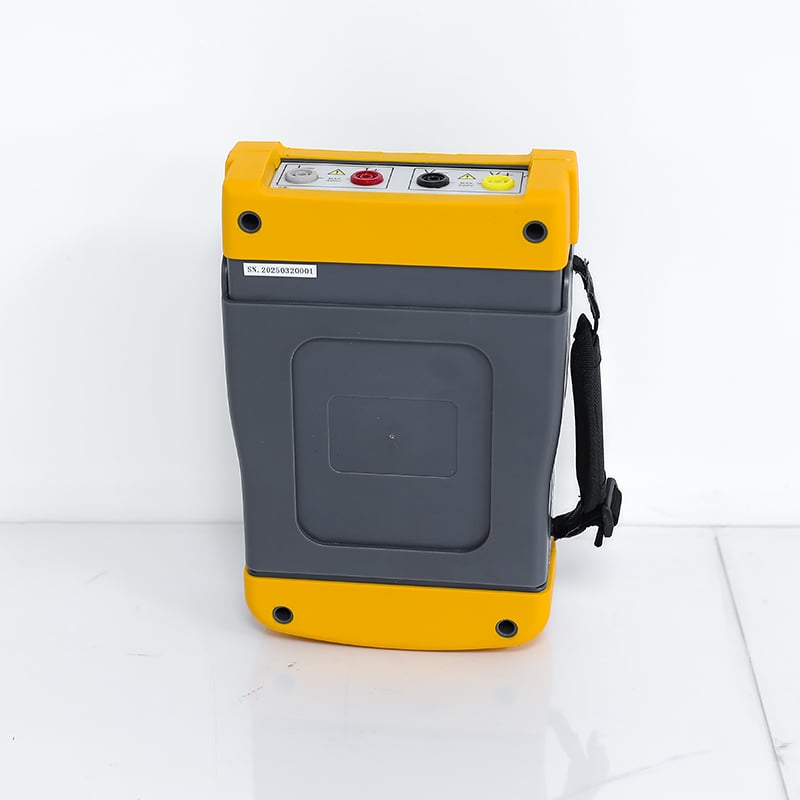
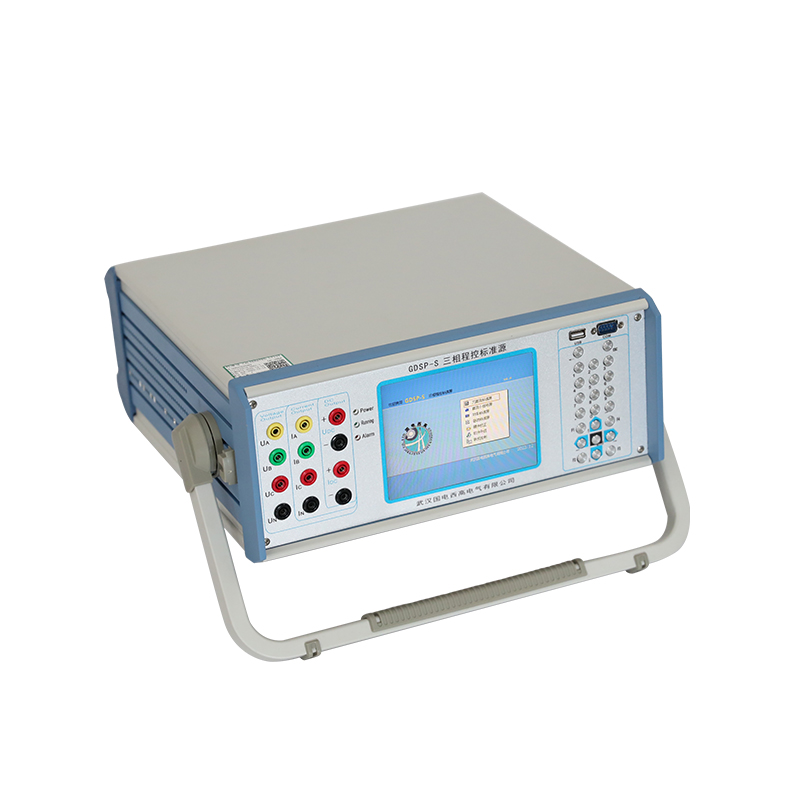
GDPV-I Handheld PV String Tester
GDPV-I Digital Intelligent Handheld Photovoltaic String Tester with IV Curve Tracer, Built-in Irradiance & Temperature Sensors, Automatic STC Correction, for On-Site PV Module Performance Test & Fault Diagnosis.
- Description
- Specifications
- Applications
- Advantages
- FAQ
- Recommended Products
Description
GDPV-I is a professional handheld photovoltaic (PV) string tester designed for on-site performance testing, acceptance inspection and fault diagnosis of PV modules and strings in distributed PV power plants, residential PV systems and industrial PV installations. It strictly complies with IEC 62446-1:2016, GB/T 19939-2005 and GB/T 18210-2000 standards, adopting advanced high-speed digital signal processing technology and capacitive/resistive dual load architecture that enables fast and accurate IV curve tracing.
The instrument features 5V~400V wide voltage range and 0.5A~20A wide current range, covering all mainstream PV modules and strings up to 1kW. Its built-in high-precision irradiance meter (0~1400W/m²) and temperature sensor (-10℃~+60℃) automatically correct test results to Standard Test Conditions (STC: 1000W/m², 25℃, AM1.5), ensuring comparability of test results under different environmental conditions. The intelligent fault diagnosis algorithm automatically identifies common PV faults such as open circuit, short circuit, partial shading and module mismatch.
Specifications
| Parameter | Specification |
|---|---|
| Compliance Standards | IEC 62446-1:2016, GB/T 19939-2005, GB/T 18210-2000, T/CSEE 0160-2020 |
| Test Principle | Capacitive/resistive dual load IV curve tracing |
| Measurement Method | 4-wire Kelvin measurement |
| Voltage Measurement Range | 5V ~ 400V DC |
| Voltage Resolution | 0.1V |
| Voltage Accuracy | ±0.2% reading ± 0.1V |
| Current Measurement Range | 0.5A ~ 20A DC |
| Current Resolution | 0.01A |
| Current Accuracy | ±0.2% reading ± 0.01A |
| Power Measurement Range | 0.1W ~ 1000W |
| Power Accuracy | ±0.5% reading ± 0.1W |
| Irradiance Measurement Range | 0 ~ 1400W/m² |
| Irradiance Accuracy | ±3.0% reading |
| Temperature Measurement Range | -10℃ ~ +60℃ |
| Temperature Accuracy | ±1℃ |
| Test Parameters | Voc, Isc, Pmax, Vmp, Imp, FF, η, series resistance |
| IV Curve Tracing Time | ≤10 seconds per string |
| Automatic STC Correction | Yes (1000W/m², 25℃, AM1.5) |
| Fault Diagnosis | Open circuit, short circuit, partial shading, module mismatch, diode failure |
| Display | 3.5-inch 320×240 color capacitive touch screen |
| Language Support | Chinese / English bilingual |
| Data Storage | 1000 groups (with time stamp, parameters and IV curves) |
| Communication Interface | USB 2.0 (U-disk export) |
| Power Supply | Built-in 12V 5200mAh lithium battery; AC 220V charging |
| Battery Life | ≥8 hours continuous working time |
| Charging Time | ≤4 hours |
| Protection Functions | Over-voltage, over-current, short-circuit, reverse polarity, over-temperature |
| Operating Temperature | -10℃ ~ +50℃ |
| Humidity | ≤85% RH (non-condensing) |
| Dimensions (L×W×H) | 240×180×100mm |
| Weight | ~4kg (including battery) |
| Enclosure | ABS+PC engineering plastic with rubber protective cover |
Applications
Core Test Objects
- PV modules: Monocrystalline, polycrystalline, thin-film PV modules (10W~1000W)
- PV strings: Series-connected PV strings up to 400V and 20A
- PV systems: Residential PV systems, distributed PV power plants, industrial PV installations
Typical Usage Scenarios
- PV installers: PV system acceptance inspection, commissioning test and quality verification
- PV operation and maintenance companies: Routine patrol inspection, fault diagnosis and performance evaluation
- PV module manufacturers: Factory quality control, batch inspection and on-site after-sales service
- Third-party testing institutions: PV system certification testing, safety assessment and energy efficiency evaluation
- Research institutes: PV module performance research and field test
Advantages
Compliance with Latest International Standards
Fully meets IEC 62446-1:2016, GB/T 19939-2005, GB/T 18210-2000 → test results are globally recognized
Industry-Leading IV Curve Tracing Technology
Capacitive/resistive dual load, ≤10 seconds per string, no overheating → improves test efficiency by 500% compared to traditional resistive load testers
Built-in Environmental Sensors & Automatic STC Correction
Integrated irradiance and temperature sensors, one-click STC correction → ensures test result comparability under different environmental conditions
Intelligent Fault Diagnosis Algorithm
Automatically identifies common PV faults → eliminates the need for professional analysts, reduces operator skill requirements
Ultra-Wide Range & High Precision
5V~400V/0.5A~20A, ±0.2% accuracy → covers all mainstream PV modules and strings
FAQ
Q: What is the significance of IV curve testing for PV systems?
A: IV curve testing is the most comprehensive method for evaluating PV module and string performance. By measuring the current-voltage relationship under actual operating conditions, we can obtain key parameters such as Voc, Isc, Pmax and FF, and identify common faults such as partial shading, module mismatch, diode failure and aging. Regular IV curve testing helps to detect problems early, improve power generation efficiency and extend the service life of PV systems.
Q: What is the advantage of capacitive/resistive dual load compared to traditional resistive load?
A: Traditional resistive load testers have the following disadvantages:
- Slow test speed (≥1 minute per string)
- Severe heating during test, limited test times
- Cannot test high-power PV strings
GDPV-I's capacitive/resistive dual load technology has the following advantages:
- Fast test speed (≤10 seconds per string)
- No overheating, unlimited test times
- High accuracy and stability
- Low power consumption, longer battery life
Q: Can GDPV-I test PV strings without disconnecting them from the inverter?
A: No. For safety reasons, PV strings must be disconnected from the inverter and other electrical equipment before testing. The instrument is equipped with reverse polarity protection and over-voltage protection to prevent damage caused by incorrect connection.