 EN
EN

- Description
- Specifications
- Applications
- Advantages
- FAQ
- Recommended Products
Description
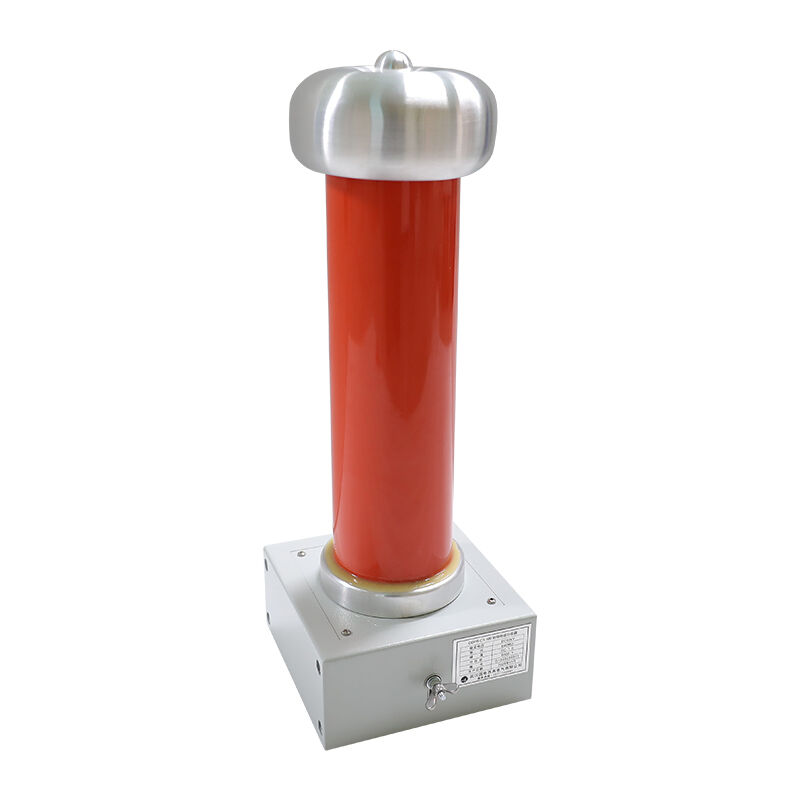
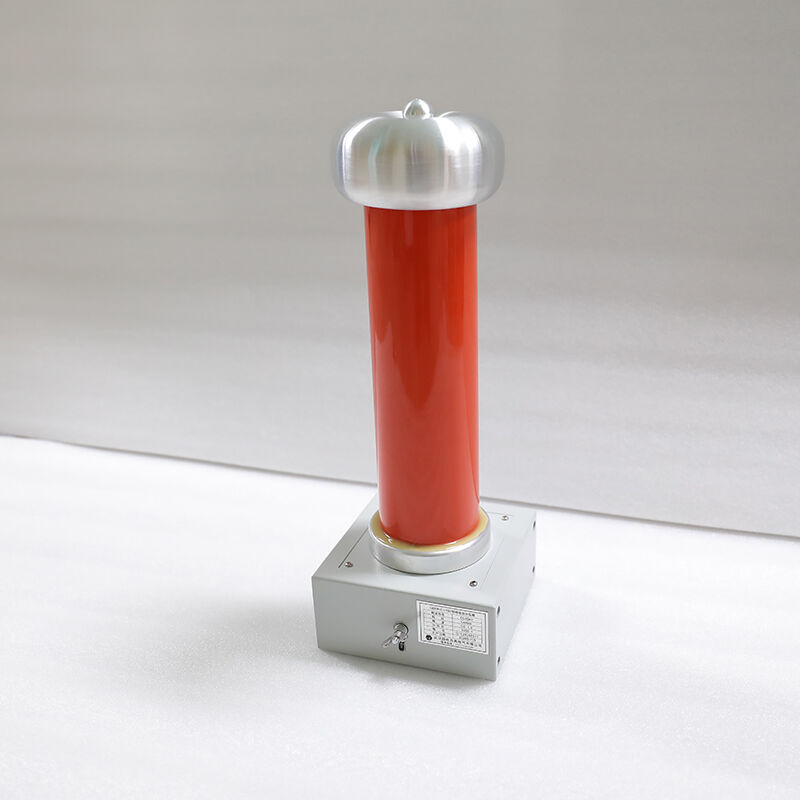
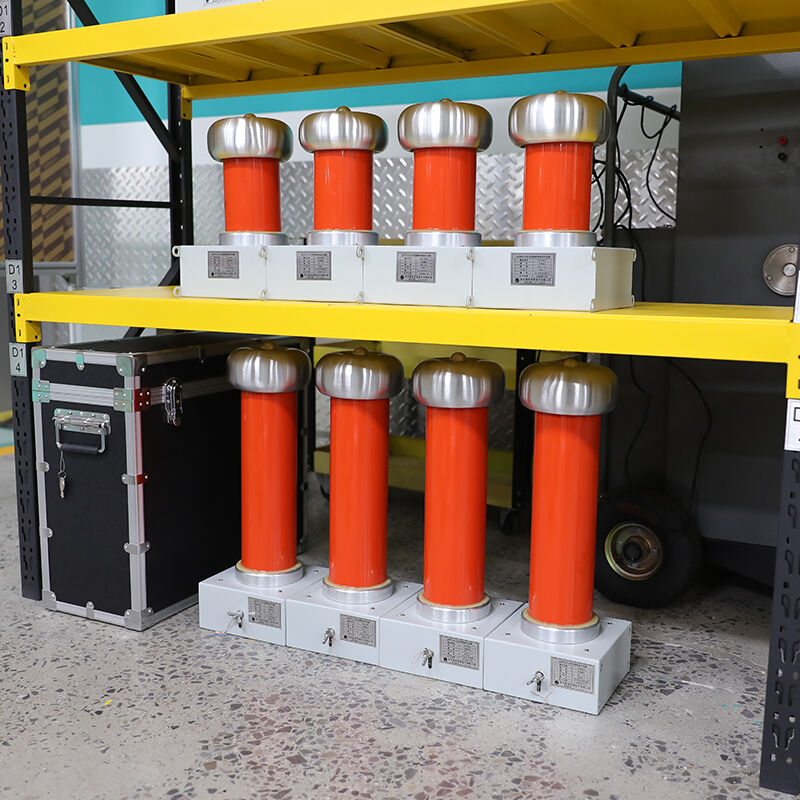
The GDFR-C1-100 is a versatile, high-precision AC/DC dual-purpose high voltage divider designed for on-site measurement and calibration of AC and DC high voltages in power utilities, substations, and electrical equipment manufacturers. It fully complies with DL/T 846.1-2016 and GB/T 16927.2-2013, adopting a balanced equipotential shielding structure and fully sealed epoxy glass fiber insulation cylinder to minimize leakage current and electromagnetic interference, ensuring stable and accurate measurements in harsh field environments.
The system consists of a lightweight high-voltage divider unit and a portable digital display meter, with a standard 1000:1 voltage divider ratio (10000:1 optional, custom ratios available). It supports both DC high voltage measurement (for calibrating DC high voltage generators) and power frequency AC high voltage measurement (for AC withstand voltage tests). With a compact, portable design and 9.5kg total weight, it is ideal for on-site testing of 10kV–110kV power cables, transformers, switchgear, and zinc oxide arresters (MOA).
Specifications
|
Parameter |
Specification |
|
Rated Voltage |
100kV AC (RMS) / 100kV DC (peak) |
|
Input Impedance |
1280MΩ |
|
High-Voltage Arm Capacitance |
250pF ±2% |
|
Standard Voltage Divider Ratio |
1000:1 (10000:1 optional) |
|
AC Frequency Range |
30Hz–300Hz |
|
Measurement Accuracy |
Basic: DC ±1.0% / AC ±1.5%;G: DC ±0.5% / AC ±1.0%;H: DC ±0.5% / AC ±0.5% |
|
Annual Ratio Stability |
≤±0.5% |
|
Temperature Coefficient |
≤50ppm/°C |
|
Linearity Error |
≤±0.5% |
|
Display |
4-digit digital LCD (RMS/peak) |
|
Connection |
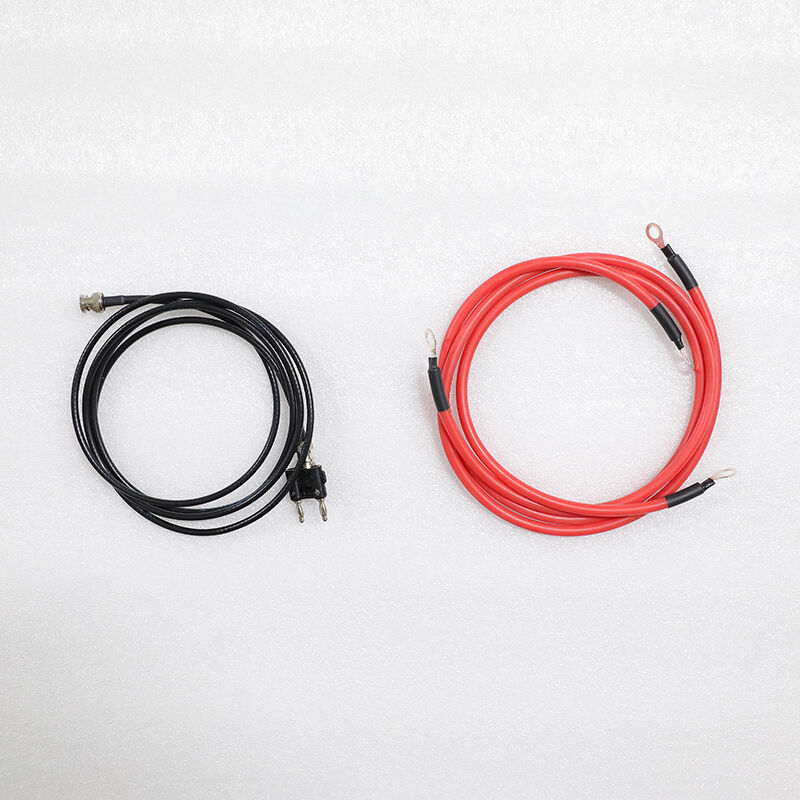
4m BNC shielded cable |
|
Power Supply (Display Meter) |
AC220V±10%, 50Hz (battery optional) |
|
Operating Temperature |
0°C ~ +45°C;Humidity ≤85%RH (non-condensing) |
|
Altitude |
≤1500m (customizable) |
|
Dimensions (mm) |
Divider unit: Φ195×960;Display meter: 220×235×80 |
|
Weight |
Divider unit: ~9.5kg;Display meter: ~1.5kg |
|
Compliance |
DL/T 846.1-2016, GB/T 16927.2-2013, IEC 60060-1, IEC 61010-1 CAT III 1000V |
Applications
Core Test Objects
- DC high voltage generators: calibration of output voltage accuracy
- Power frequency AC withstand test systems: voltage measurement
- Zinc oxide arresters (MOA): DC reference voltage and AC residual voltage test
- Power cables: 10kV–110kV AC/DC withstand voltage test
- Transformers & switchgear: AC withstand voltage test
- Insulators & bushings: power frequency flashover voltage test
Typical Usage Scenarios
- On-site substation testing: AC/DC high voltage measurement during equipment maintenance
- Manufacturing quality control: production line testing of high-voltage equipment
- Laboratory calibration: traceable calibration of HV measuring instruments
- Commissioning: new equipment insulation verification before put into operation
- Compliance inspection: meets power industry and national metrology standards
Advantages
AC/DC Dual-Purpose Design
One unit for both AC and DC high voltage measurement → reduces equipment investment and improves testing efficiency
Balanced Equipotential Shielding
Eliminates leakage current and EMI → accurate readings in harsh substation environments
±0.5% High Accuracy & Long-Term Stability
Reliable measurement results → ensures test data validity and regulatory compliance
Ultra-Portable Split Design
9.5kg divider unit + 1.5kg display meter → single-person operation and easy transport
Fully Sealed Insulation Structure
Polyurethane foaming filling → anti-moisture, anti-corona, long service life
FAQ
Q: Can it measure both AC and DC high voltages?
A: Yes. It is a dual-purpose AC/DC divider, suitable for both DC high voltage generator calibration and power frequency AC withstand tests.
Q: What accuracy levels are available?
A: Three options: Basic (DC ±1.0%/AC ±1.5%), G (DC ±0.5%/AC ±1.0%), and H (DC ±0.5%/AC ±0.5%).
Q: How heavy is the divider unit?
A: Only ~9.5kg, lightweight for single-person operation and transport.
Q: Is it suitable for on-site substation testing?
A: Yes. Equipotential shielding ensures reliable measurements in strong electromagnetic environments.