 EN
EN

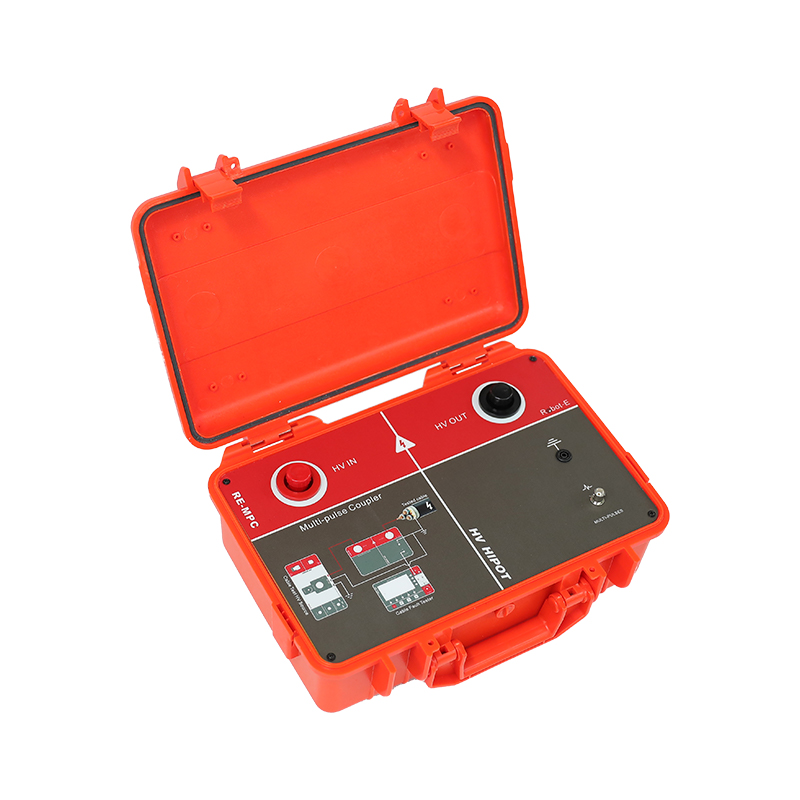
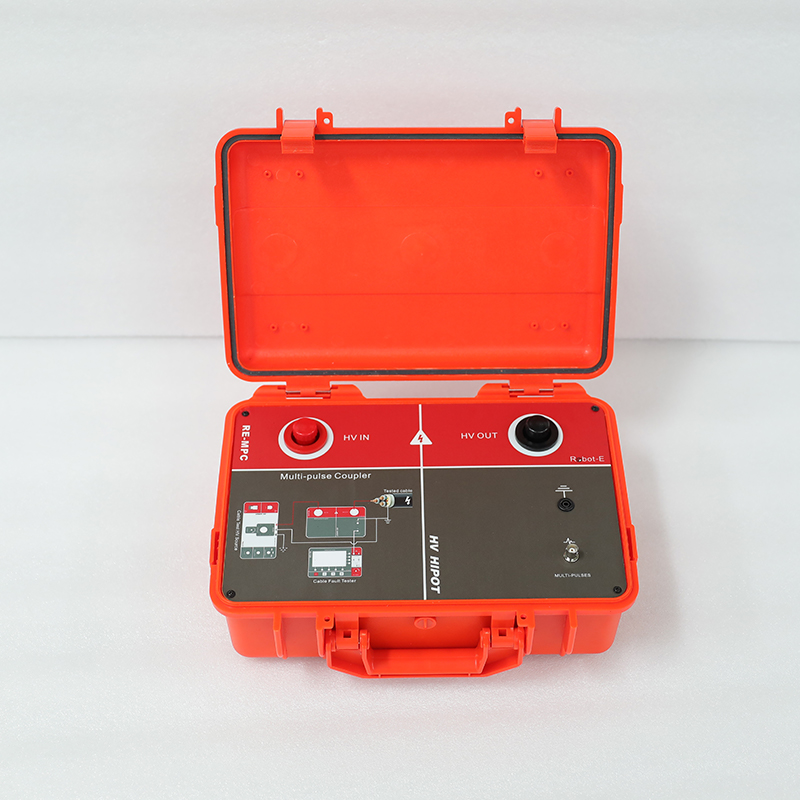
RE-MPC Multi-Impulse Coupler for Cable Fault Test
RE-MPC Digital Intelligent Multi-Impulse Coupler, Adopting Arc Reflection MIM Technology, Electrical Isolation Between HV Surge Circuit and TDR Measuring Circuit, Matching RE-TDR Cable Fault Locator and RE-RLG HV Surge Transmitter for High Resistance & Intermittent Flashover Fault Pre-Location of Power Cables.
- Description
- Specifications
- Applications
- Advantages
- FAQ
- Recommended Products
Description
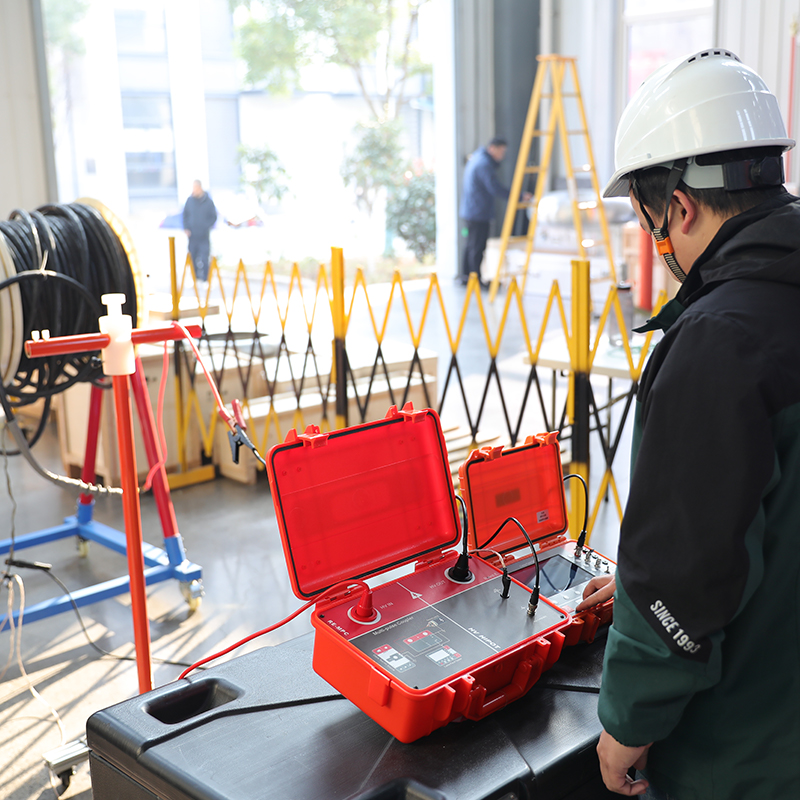
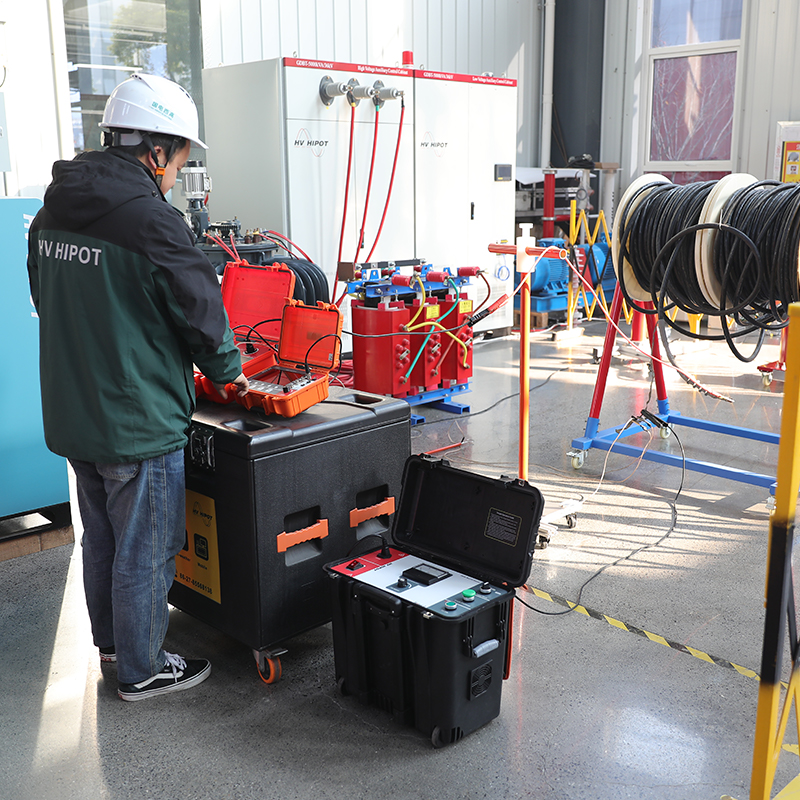
The RE-MPC multi-pulse coupler is a core component of the RE-TDR cable fault comprehensive testing system, forming a complete multi-pulse testing solution together with the RE-TDR (TDR receiver) and RE-RLG (high-voltage impulse transmitter).
The equipment operates based on the multiple-pulse arc reflection method (MIM): the RE-RLG applies a high-voltage impulse to the faulty cable, breaking down the fault point and forming a continuous arc, at which point the fault point is equivalent to a temporary short circuit; the RE-MPC synchronously couples multiple low-voltage test pulses into the cable, and the RE-TDR acquires multiple sets of reflected waveforms, automatically selecting the set with the least oscillation interference and the clearest waveform. Compared with traditional impulse-flash and secondary pulse methods, the waveforms are intuitive and easy to understand, greatly reducing reliance on operator experience.
Simultaneously, the RE-MPC achieves reliable electrical isolation between the high-voltage impulse circuit and the low-voltage TDR measurement circuit, preventing high-voltage surges from entering the ranging host and protecting the RE-TDR from impulse damage. The entire unit adopts a portable sealed chassis with clear terminal markings and simple wiring. There are no exposed high-voltage components, making it suitable for emergency repairs in substations and cable trenches. It is widely used for pre-positioning of high-resistance leakage and intermittent flashover faults in 10-35kV XLPE cables.
Specifications
| Parameter | Specification |
|---|---|
| Working Principle | Multi-Impulse Method (MIM / Arc Reflection) |
| Matching Equipment | RE-TDR TDR Receiver + RE-RLG HV Surge Transmitter |
| Allowable Input Surge Voltage | ≤ -35kV DC negative polarity |
| Allowable Max Surge Energy | ≤ 2480J |
| Measuring Pulse Amplitude | 300Vpp low voltage test pulse |
| Synchronization Mode | Hardware synchronous trigger with RE-TDR |
| Isolation Performance | Complete electrical isolation between HV loop and measuring loop |
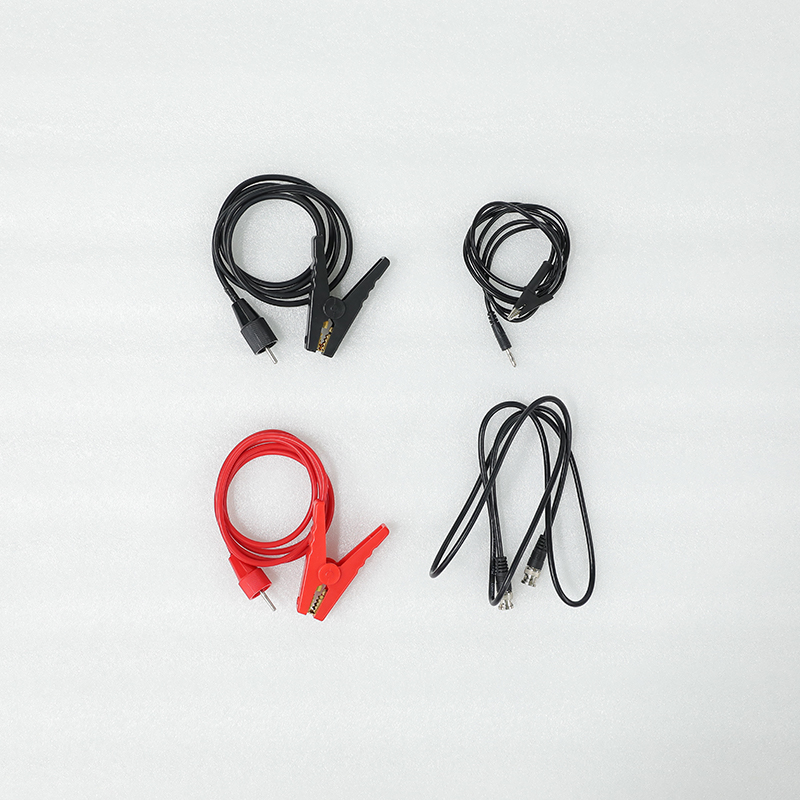
| Terminals | Fault Cable Terminal, HV Surge Input, TDR Signal Output |
| Power Demand | Passive device, no external power supply required |
| Operating Temperature | -10℃ ~ +50℃ |
| Ambient Humidity | ≤85% RH (non-condensing) |
| Enclosure | Shockproof portable aluminum alloy chassis with handle |
| Net Weight | ~ 6.5kg |
Applications
Core Test Objects
- 10kV / 35kV XLPE underground power cables, cable joints & terminals
- Distribution network cables, new energy station collection cables
- High resistance leakage faults, intermittent flashover breakdown faults
Typical Application Scenarios
- Power grid operation & maintenance: difficult high-resistance cable fault rush repair
- New energy EPC and power station operation teams
- Cable construction companies, third-party testing laboratories
- Alternative upgrade for traditional impulse current test method
Advantages
MIM multiple impulse technology
Surpass traditional impulse current & secondary pulse method, solve waveform oscillation & misjudgment problems
Safe electrical isolation
Protect expensive TDR main unit from high voltage surge damage, extend instrument service life
Seamless matching with RE-TDR system
Form standardized complete solution, unified operation workflow for field teams
Passive coupling design
No external power needed, reduce equipment quantity transported to site
Easy waveform interpretation
Lower training threshold for new technicians, improve first-test success rate for tough high-resistance faults
FAQ
Q: Difference between multi-impulse (MIM) and secondary impulse (SIM)?
A: Secondary impulse emits only one pulse after arc ignition; if timing mismatches, waveform is disturbed by large oscillation. Multi-impulse transmits multiple pulses within arc duration, the system automatically picks the clearest waveform, higher success rate for long cables and unstable intermittent faults.
Q: Can RE-MPC work with other brands of TDR and HV sources?
A: Optimized and calibrated for RE-TDR + RE-RLG original system. Third-party equipment may have synchronization timing mismatch, waveform quality cannot be guaranteed; recommended to use matching original set.
Q: What faults is multi-impulse method suitable for?
A: Targeted for high resistance leakage faults and intermittent flashover faults. Low resistance short/open circuit faults can be directly measured by RE-TDR low voltage pulse without RE-MPC.
Q: Safety precautions during operation
- All wiring must be connected before switching on high voltage;
- After test, fully discharge energy storage capacitor of RE-RLG, confirm zero voltage before touching terminals;
- Operators keep safe distance from high voltage cable and coupling unit.