 EN
EN

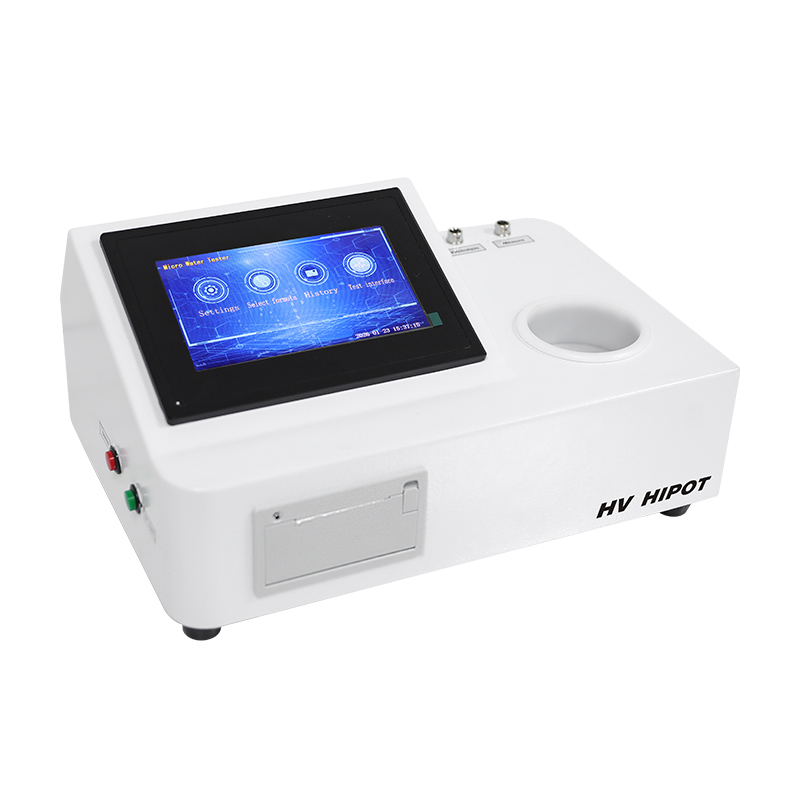
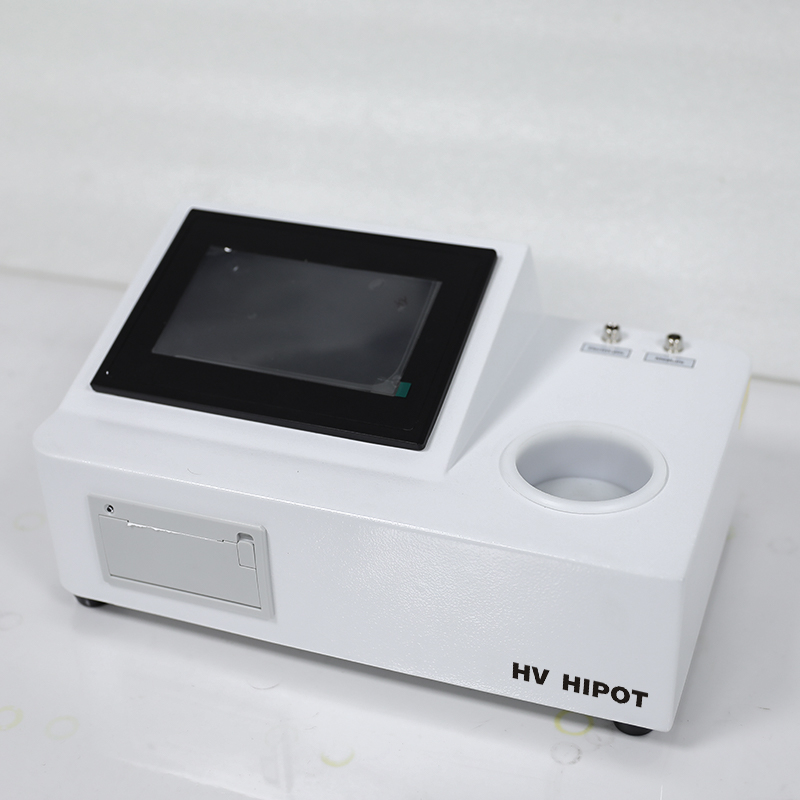
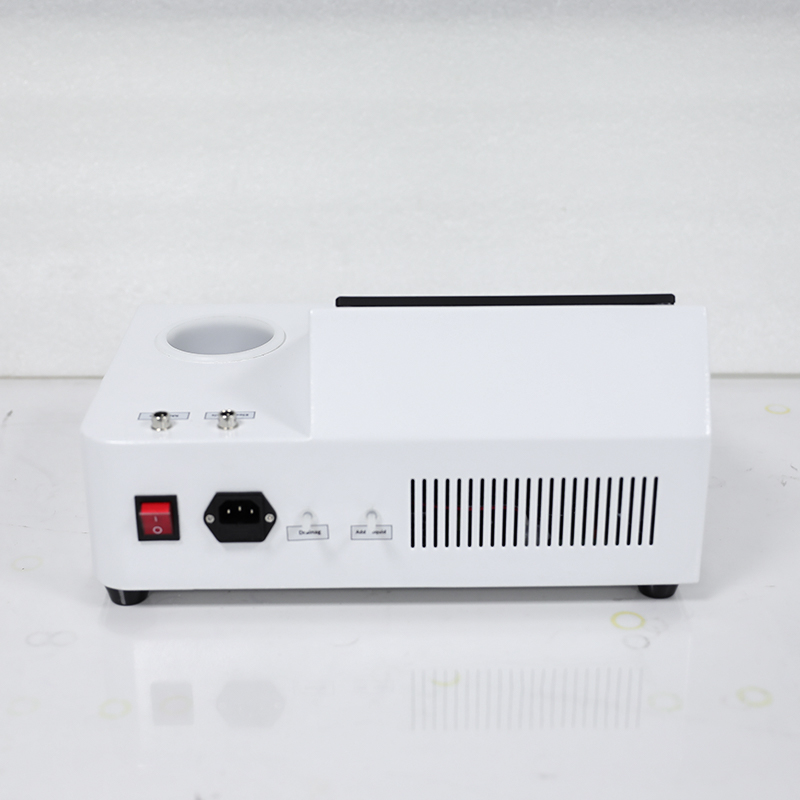
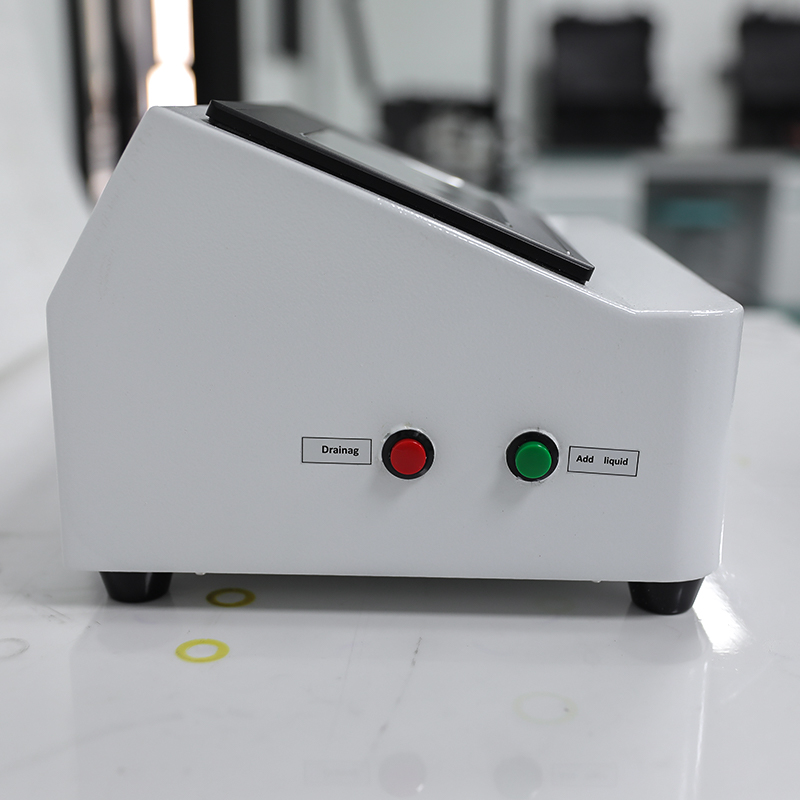
GDW-106G Fully Automatic Oil Trace Moisture Tester (Coulometric Karl Fischer, 0.1μg Resolution)
GDW-106G Digital Intelligent Fully Automatic Oil Trace Moisture Tester with Coulometric Karl Fischer Technology, ARM+FPGA Dual-Core Architecture, Dual Compensation Algorithm, for Power Transformer Insulating Oil Trace Moisture Detection.
- Description
- Specifications
- Applications
- Advantages
- FAQ
- Recommended Products
Description
The GDW-106G is a professional-grade, high-precision fully automatic oil trace moisture testerexclusively designed for trace moisture detection of insulating oils, turbine oils and other petroleum products in power systems and petrochemical industries. It fully complies with GB/T 7600-2014, IEC 60814:1997 and ASTM D6304-2020 standards, adopting the internationally recognized coulometric Karl Fischer method, which is the gold standard for trace moisture determination.
The instrument features an innovative ARM+FPGA dual-core architecture that ensures high-speed data acquisition and real-time signal processing. Its 5-inch high-definition color touch screen provides intuitive and convenient operation. With 0.1μg ultra-high resolution and 2.4mg/min maximum electrolysis speed, it delivers both high accuracy and fast test speed. The built-in dual compensation algorithm (blank current compensation + balance point drift compensation) effectively eliminates environmental interference and ensures stable and reliable measurement results.
Specifications
| Parameter | Specification |
|---|---|
| System Parameters | |
| Compliance Standard | GB/T 7600-2014, IEC 60814:1997, ASTM D6304-2020, DL/T 429.8-2016 |
| Test Principle | Coulometric Karl Fischer method |
| Control Architecture | ARM + FPGA dual-core |
| Operation Mode | Fully automatic one-click test |
| Display | 5-inch 800×480 color touch screen |
| Data Storage | 1000 groups test results |
| Data Export | USB 2.0 (Excel format) |
| Printer | High-speed thermal printer, 58mm paper width |
| Test Parameters | |
| Measurement Range | 0μg ~ 100mg |
| Resolution | 0.1μg |
| Measurement Accuracy | ≤±2μg (3~1000μg); ≤±0.2% of reading (1000μg) |
| Repeatability | ≤±0.5% |
| Test Time | ~3~5 minutes per sample |
| Sample Consumption | ~1~2g per test |
| Electrolysis Parameters | |
| Electrolysis Current | 0 ~ 400mA automatic tracking |
| Maximum Electrolysis Speed | 2.4mg/min |
| Balance Time | ≤5 minutes after startup |
| Compensation Functions | |
| Blank Current Compensation | Yes |
| Balance Point Drift Compensation | Yes |
| Electrode Fault Detection | Yes |
| Power Supply | |
| Input Power | AC 220V±10%, 50Hz |
| Power Consumption | ≤30W |
| Physical Parameters | |
| Dimensions | 330×240×160mm (L×W×H) |
| Weight | ~6kg (including all components) |
| Housing | Rugged engineering plastic |
| Protection Grade | IP40 |
| Operating Temperature | 5℃ ~ +40℃ |
| Storage Temperature | -20℃ ~ +60℃ |
| Humidity | ≤85% RH (non-condensing) |
Applications
Core Test Objects
- Power industry oils: Transformer oil, switch oil, capacitor oil, cable oil, turbine oil
- Petrochemical industry oils: Lubricating oil, hydraulic oil, gear oil, fuel oil
- Oil-filled equipment: Power transformers, instrument transformers, capacitors, circuit breakers, reactors
Typical Usage Scenarios
- Power companies: Transformer preventive maintenance, insulating oil regular testing, fault diagnosis
- Transformer manufacturers: Factory quality control, type tests, after-sales service
- Oil treatment companies: Insulating oil regeneration quality inspection, vacuum oil filtration process control
- Third-party testing institutions: Oil quality testing, performance assessment, quality arbitration
- Industrial enterprises: Internal power equipment oil testing and maintenance
Advantages
Compliance with Latest International Standards
Fully meets GB/T 7600-2014 Chinese national standard, IEC 60814 international standard and ASTM D6304 American standard → test results are recognized worldwide
Industry-Leading Coulometric Karl Fischer Technology
The gold standard for trace moisture determination, absolute measurement method, no need for reagent calibration → ensures the highest accuracy and reliability
0.1μg Ultra-High Resolution
Detects trace moisture as small as 0.1μg, accurately identifies early insulation degradation → prevents transformer failures caused by excessive moisture
Dual Compensation Algorithm
Effectively eliminates environmental interference and drift errors → ensures stable and consistent test results in different working environments
One-Click Fully Automatic Operation
Automatically completes all test steps including balance, electrolysis, titration and calculation → reduces operator skill requirements and eliminates human errors
FAQ
Q: What is the principle of coulometric Karl Fischer method for moisture determination?
A: The principle is based on Faraday's law of electrolysis. Iodine is generated electrochemically in the electrolytic cell, and reacts with water and sulfur dioxide in the presence of methanol and pyridine according to the Karl Fischer reaction. The amount of iodine generated is proportional to the amount of electricity passed through the cell. Since 1 mole of iodine reacts with 1 mole of water, the water content in the sample can be accurately calculated from the amount of electricity consumed. This is an absolute measurement method that does not require reagent calibration.
Q: How long does a typical test take?
A: A complete test including electrolyte balance, sample injection, electrolysis and result calculation takes approximately 3~5 minutes depending on the moisture content of the sample. For transformer oil with a moisture content of about 20ppm, the test time is about 3 minutes.
Q: How often does the electrolyte need to be replaced?
A: The electrolyte can be used for approximately 50~100 tests or 1~2 months under normal use. It should be replaced when the color becomes dark brown or the balance time becomes too long. The replacement process is simple and fast.
Q: Can it test other types of samples besides oil?
A: Yes. In addition to liquid samples such as insulating oil and lubricating oil, GDW-106G can also test solid and gaseous samples with the appropriate accessories. For solid samples, a solid sample crusher and dissolver are required; for gaseous samples, a gas sampling device is required.