 EN
EN

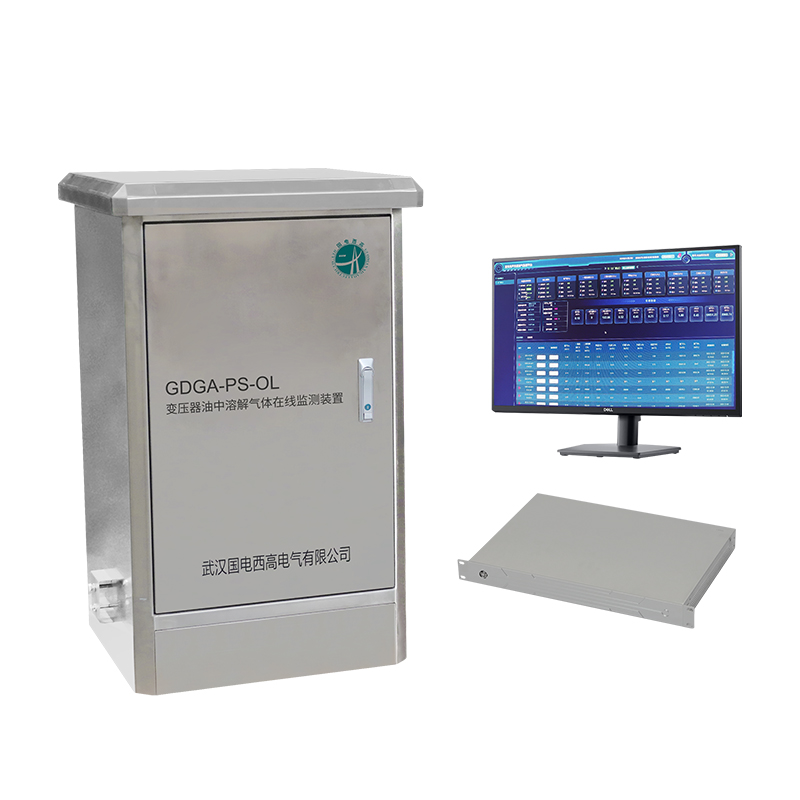
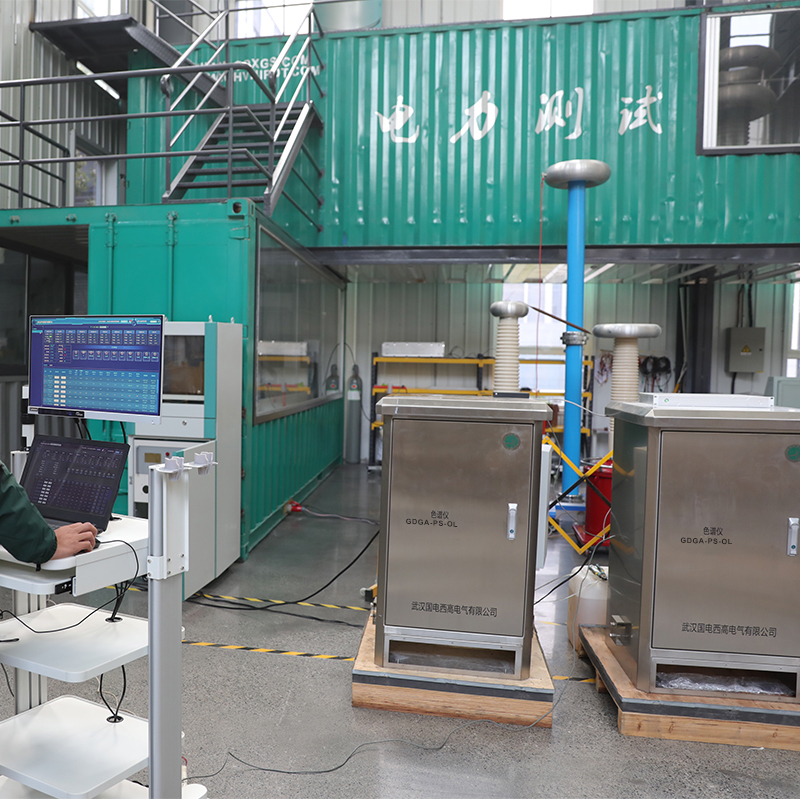
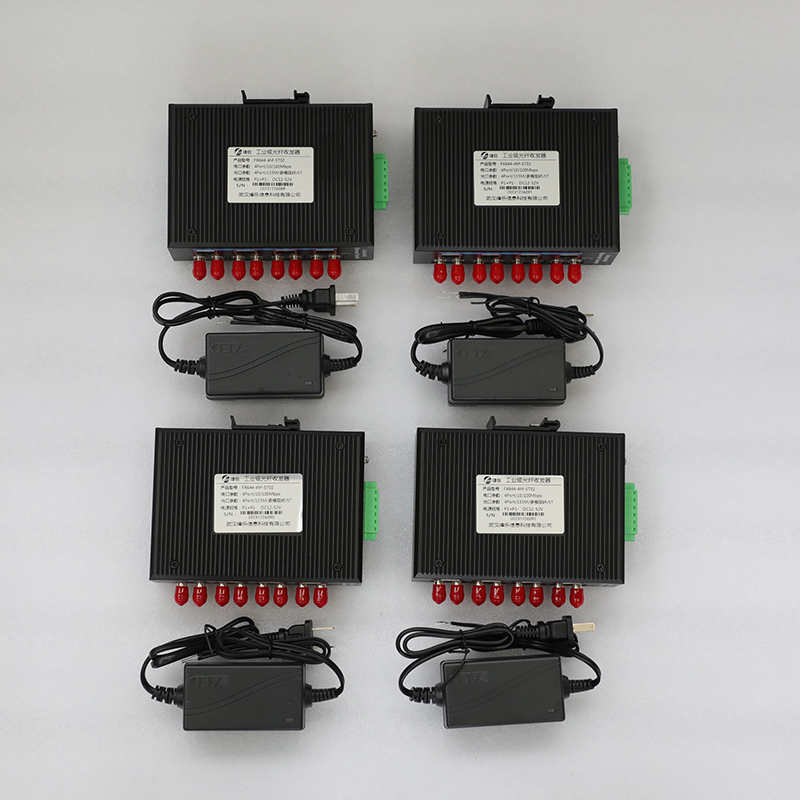
OGC-PS-OL Transformer Oil Chromatography Online Monitoring System
OGC-PS-OL Digital Intelligent Transformer Oil Dissolved Gas Online Monitoring System with Third-Generation QCL Photoacoustic Spectroscopy, Edge Computing, Built-in DGA Diagnosis, Cloud Platform Integration, for Power Transformer Latent Fault Detection.
- Description
- Specifications
- Applications
- Advantages
- FAQ
- Recommended Products
Description
The OGC-PS-OL is a professional-grade, high-reliability transformer oil dissolved gas analysis (DGA) online monitoring systemexclusively designed for latent fault detection and early warning of power transformers, converter transformers, reactors and other oil-filled electrical equipment in 220kV and above power grids. It fully complies with DL/T 1498.2-2025 Class A standard, GB/T 17623-2017 and IEC 60567-2011 standards, adopting the advanced third-generation quantum cascade laser (QCL) photoacoustic spectroscopy technology that eliminates the need for carrier gases, chromatographic columns and any consumables.
The instrument features an innovative edge computing + cloud platform integrated architecture that ensures high-speed data processing and real-time monitoring. Its continuous equal-volume oil circulation vacuum degassing module provides stable and efficient gas extraction, while the high-sensitivity photoacoustic cell delivers ultra-low detection limits. With a shortest analysis cycle of 30 minutes, it provides real-time insight into the internal condition of transformers. The built-in comprehensive DGA fault diagnosis system supports multiple international standard algorithms, automatically identifying fault types and issuing graded warnings.
Specifications
| Parameter | Specification |
|---|---|
| System Parameters | |
| Compliance Standard | DL/T 1498.2-2025 Class A, GB/T 17623-2017, DL/T 722-2014, IEC 60567-2011 |
| Detection Principle | Third-generation quantum cascade laser (QCL) photoacoustic spectroscopy |
| Degassing Method | Continuous equal-volume oil circulation vacuum degassing |
| Analysis Cycle | 30min ~ 24h adjustable |
| Control Architecture | Edge computing (FPGA+DSP) + cloud platform |
| Local Data Storage | ≥10 years historical data |
| Communication Interfaces | Ethernet, RS485, 4G/5G, optical fiber |
| SCADA/LIMS Compatibility | Yes |
| Detection Parameters | |
| Detectable Gases | H₂, CO, CO₂, CH₄, C₂H₄, C₂H₆, C₂H₂, O₂, N₂ (9 components) |
| Optional Module | Micro water (H₂O: 0~1000ppm, ±10% accuracy) |
| Detection Limits | |
| H₂ | ≤1μL/L |
| C₂H₂ | ≤0.1μL/L |
| CO | ≤2μL/L |
| CO₂ | ≤5μL/L |
| CH₄/C₂H₄/C₂H₆ | ≤0.1μL/L |
| O₂ | ≤10μL/L |
| N₂ | ≤20μL/L |
| Quantitative Accuracy | |
| Component ≥10μL/L | ≤±5% |
| Component <10μL/L | ≤±10% |
| Retention Time Repeatability | ≤±0.5% |
| Peak Area Repeatability | ≤±1% |
| DGA Diagnosis System | |
| Diagnosis Algorithms | IEC three-ratio, David triangle, Rogers ratio, Duval triangle |
| Fault Types | 8 major fault types (overheating, discharge, etc.) |
| Early Warning Levels | 4 levels (Normal / Attention / Warning / Critical) |
| Report Generation | Automatic DGA diagnosis reports (PDF/Excel) |
| Physical & Environmental Parameters | |
| Protection Grade | IP65 |
| Operating Temperature | -40℃ ~ +70℃ |
| Storage Temperature | -40℃ ~ +85℃ |
| Humidity | 5% ~ 95% RH, non-condensing |
| Power Supply | AC 85V ~ 265V, 50/60Hz |
| Power Consumption | ≤150W |
| Dimensions | 600×500×1200mm (H×W×D) |
| Weight | ~80kg |
| Installation Method | Floor-standing or wall-mounted |
| Service Life | ≥10 years |
| Maintenance-Free Period | ≥3 years |
| MTBF | ≥100,000 hours |
Applications
Core Test Objects
- Power transformers: 220kV~1000kV main transformers, converter transformers, distribution transformers
- Reactors: Shunt reactors, series reactors, smoothing reactors
- Other oil-filled equipment: Current transformers, voltage transformers, circuit breakers
Typical Usage Scenarios
- Power grid companies: Smart substation construction, UHV converter station monitoring, transformer condition-based maintenance
- Power plants: Thermal power plants, hydropower plants, wind power plants, solar power plants main transformer monitoring
- Large industrial enterprises: Steel plants, chemical plants, oil refineries, mining enterprises power equipment management
- Third-party testing institutions: Transformer status assessment, fault diagnosis service
- Power research institutes: Transformer insulation aging research, fault mechanism research
Advantages
Compliance with Latest International Standards
Fully meets DL/T 1498.2-2025 Class A standard, the highest level in China's power industry → test results are recognized by power systems worldwide
Industry-Leading No-Consumables Design
No carrier gas, no chromatographic column, no filter replacement → annual maintenance cost reduced by 90% compared to traditional GC online systems
Ultra-High Sensitivity for Early Fault Detection
C₂H₂ detection limit as low as 0.1μL/L, accurately identifies early discharge faults → prevents major transformer accidents caused by latent faults
Fast Real-Time Monitoring
Shortest 30 minutes per full component analysis, 24/7 uninterrupted monitoring → provides real-time insight into transformer internal conditions
Built-in Comprehensive DGA Diagnosis
Multiple international standard algorithms, automatic fault identification and report generation → eliminates the need for professional DGA analysts, reduces skill requirements
Industrial-Grade Reliability
IP65 protection, -40℃~+70℃ wide temperature range, MTBF ≥100,000 hours → stable operation in harsh outdoor environments
Non-Intrusive Installation
No power outage required, installation time <2 hours → minimizes impact on power grid operation
FAQ
Q: What is the difference between photoacoustic spectroscopy and traditional gas chromatography (GC) online monitoring?
A:
- Consumables: Photoacoustic spectroscopy requires no carrier gas, chromatographic column or filter, while GC systems need regular replacement of these consumables
- Maintenance cost: Photoacoustic systems have 90% lower annual maintenance cost than GC systems
- Response time: Photoacoustic systems have shorter analysis cycles (30min vs 1~2h for GC)
- Reliability: Photoacoustic systems have no moving parts in the detection module, higher reliability and longer service life
- Installation: Both are non-intrusive, but photoacoustic systems are more compact and easier to install
Q: Does it require carrier gas or other consumables?
A: No. OGC-PS-OL adopts pure physical laser detection technology. It does not require any carrier gas, chromatographic column, filter or other consumables during operation. This eliminates the safety hazards and inconvenience of gas cylinder transportation and replacement, and significantly reduces long-term operating costs.
Q: How often does the instrument need to be calibrated?
A: The instrument uses high-stability QCL lasers and photoacoustic detection technology. Under normal use, it only needs to be calibrated once every 3 years using standard gas. The calibration process is simple and fast, and can be completed on site without removing the instrument.
Q: What is the shortest analysis cycle?
A: The shortest full component analysis cycle is 30 minutes. Users can adjust the sampling cycle from 30 minutes to 24 hours according to their actual needs. For critical transformers, it is recommended to use a 30-minute cycle for real-time monitoring.